What to Keep in a Storm Safety Kit
Severe storms can knock out power, block roads, and cut off services for days. A well-stocked storm safety kit gives you the essentials to stay safe, comfortable, and able to respond until help arrives or conditions improve.
This guide lists practical items to include, explains why each matters, and suggests options you can buy to make assembling your kit faster and more reliable.
Why a storm safety kit matters
A storm safety kit reduces risk, speeds recovery, and helps you make clear decisions when conditions are stressful. Prioritize items that meet basic human needs first: water, food, shelter, warmth, light, medical supplies, and the ability to communicate or generate power.
Water and flood protection
Clean water is the highest priority. Store at least one gallon per person per day for three days minimum; plan for more if you live where recovery can take longer. Include water purification tablets or a small filter to treat additional sources.
If you live in a flood-prone area, include targeted supplies to protect your home and belongings. Consider reinforced barriers, drain covers, and other supplies designed specifically for storm events—options are available under Flood Protection Supplies.
Sandbags and flood barriers
Sandbags and pre-formed flood barriers are simple, effective ways to divert water away from doors and low windows. Keep enough on hand to build a short barrier across vulnerable entry points. If you prefer ready-to-fill or reusable options, look for products in the sandbag and barrier category to match your home’s needs.
Stock a tarp, heavy-duty plastic sheeting, and basic tools (shovel, gloves) to supplement sandbags and seal gaps temporarily.
For quick deployment and guidance, see available options in Sandbags and Flood Barriers.
Power and lighting
Plan for power outages. A reliable backup power source can keep lights on, charge phones, and run essential medical equipment. Portable power stations are compact, safe, and simple to use; choose a unit sized for your needs and keep it charged before storm season. A popular option is the Jackery Portable Power Station Explorer 300, which balances capacity, portability, and outlets for small appliances and devices.
Complement a power station with long-lasting, high-output lights. Keep multiple flashlights, headlamps, and lanterns where family members can reach them quickly. Rechargeable, high-lumen handheld flashlights are versatile and dependable for navigating a dark home or checking damage—consider a paired set like the TrixHub Rechargeable Flashlights 2-Pack.
Food and cooking
Keep at least a three-day supply of nonperishable food per person; aim for longer if you live where storms frequently disrupt supply chains. Ready-to-eat kits and long-shelf-life food buckets free you from relying on refrigeration and allow quick access to balanced meals. For ease of planning and storage, consider a complete option such as an Emergency Food Supply Kits.
Plan for cooking if the stove or power is out. A portable grill or camping stove lets you prepare hot food safely outdoors (never use indoors). Portable grills are practical for families and small groups—look for durable, stable models in the Portable Grills category.
Emergency gear, tools, and safety
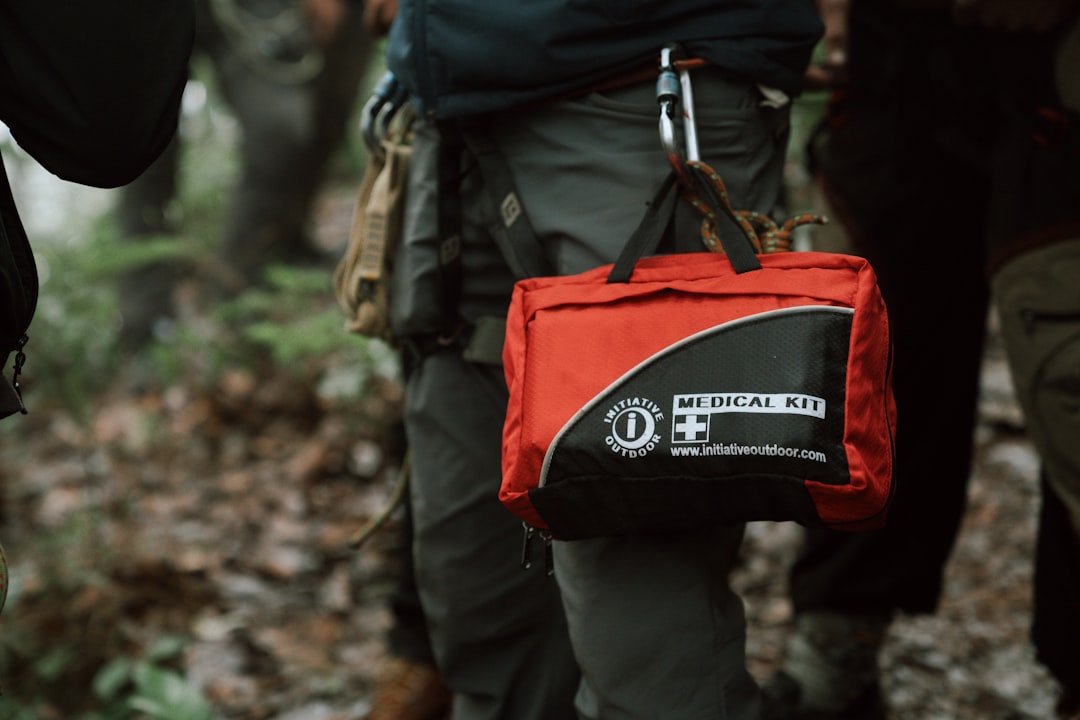
Include a basic toolkit (adjustable wrench, pliers, duct tape, utility knife), waterproof matches or a lighter, fire extinguisher, and a durable multi-tool. A first-aid kit with supplies for bleeding control, basic wound care, pain relief, and personal prescription medications is essential. Store a NOAA weather radio and keep spare batteries for devices that require them.
Create a small “grab-and-go” bag with copies of important documents (IDs, insurance, medical information), cash, spare keys, and a list of emergency contacts. Seal documents in a waterproof container to protect them from water damage.
Communication and information
Staying informed helps you make good decisions. Keep a battery-powered or hand-crank NOAA weather radio and program it for local alerts. Also keep a fully charged mobile phone and at least one external battery pack to maintain communication during outages.
Store contact information in both digital and printed formats. If cell networks are down, local radio and community channels often provide the fastest updates on shelter locations, road closures, and recovery steps.
Clothing, shelter, and comfort
Pack changes of clothing appropriate to your climate: waterproof outer layers, sturdy shoes, warm hats and gloves if cold, and breathable fabrics if hot. Include emergency blankets or a sleeping bag per person, a tarp and rope for temporary shelter, and sturdy gloves for cleanup tasks.
Personal hygiene items—soap, toothbrushes, feminine hygiene products, and toilet paper—help maintain health and comfort during displacement or extended sheltering at home.
Small checklist
- Water: 1 gal/person/day for minimum 3 days + purification method
- Food: 3–7 days nonperishable + manual can opener
- Power: portable power station + power bank
- Light: 2 flashlights, headlamp, lantern, spare batteries
- First aid kit and personal medications
- Flood protection: barriers, sandbags, tarps
- Cooking: portable grill or camping stove and fuel
- Tool kit, duct tape, rope, multi-tool
- Communications: NOAA radio, chargers, printed contacts
- Documents: waterproof copies of IDs, insurance
FAQ
Q: How long should my kit last?
A: Minimum three days for immediate survival, but five to seven days is better if you live in areas prone to extended outages or slow emergency response.
Q: Where should I store my storm kit?
A: Keep the main kit in an accessible, dry area of your home (basement storage if not prone to flooding). Keep a smaller “go-bag” near your main exit for quick evacuation.
Q: What about pets?
A: Include pet food, water, a leash or carrier, and any medications. Keep a recent photo and records in a waterproof pouch for identification and sheltering requirements.
Q: How often should I check or rotate supplies?
A: Inspect your kit every six months. Replace expired food, batteries, and medications. Recharge portable power stations and power banks regularly.
Q: Can I use indoor grills for emergency cooking?
A: No—use grills or stoves outdoors only, away from structures and vents, to avoid carbon monoxide and fire hazards. For safe, backyard-ready options, see portable outdoor cooking solutions.
Conclusion
A practical storm safety kit is focused, prioritized, and tailored to your home and family. Start with water, food, power, and lighting, then add flood protection, tools, and communications. Regularly check and rehearse your plan so the kit performs when you need it most.
Products Featured in This Article

TrixHub Rechargeable Flashlights 2 …
Product description The video showcases the product in use.The video guides you through product setup.The video…
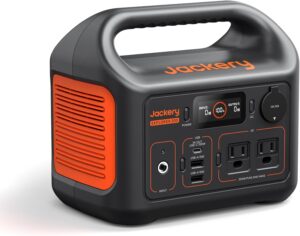
Jackery Portable Power Station Expl…
From the brand Essential HomePower 3600 Plus Prime Day #1 Best Seller New Product Launch Bestselling…
