
How to Build a 72-Hour Emergency Kit for Your Family
A 72-hour emergency kit gives your family the essentials to stay safe, fed, and comfortable during the first critical days after a disaster. Proper planning and a clear, prioritized kit reduce stress and speed up decision-making when power, water, and normal services are disrupted.
This guide walks you through the items to include, how to organize them, and maintenance tips so your kit is ready when you need it. Use the checklist near the end to build or audit your kit in one session.
What a 72-hour kit should cover
Think of the kit as a short-term lifeline: water, food, shelter/heat, light, communication, first aid, and basic tools. For a family, multiply per-person needs but also include shared items (like a single portable stove or power bank) to save space. Keep the kit accessible—near an exit or in a central closet—and make sure each family member knows its location.
Water: prioritize safe drinking supply
Water is the top priority. Plan for at least one gallon per person per day for drinking and basic hygiene. Store bottled water and include treatment options in case stored water runs out. Chemical options are compact and reliable; for example, Aquatabs 49mg Water Purification Tablets are a lightweight way to treat water from uncertain sources. Also include a collapsible container or two to carry and store treated water.
Food: nonperishable, compact, and easy to prepare
Select calorie-dense, shelf-stable options that your family will actually eat. Freeze-dried meals and emergency food buckets are designed exactly for this purpose and often include long shelf lives and clear prep instructions. Consider a mix of ready-to-eat items and those requiring minimal heating. A good place to start is a prebuilt option like Emergency Food Supply Kits, which simplify portioning and rotation planning.
Cooking, utensils, and basic tools
Even simple items can make food preparation manageable. Include a lightweight pot, eating utensils, a manual can opener, and small fuel sources. A manual opener is essential—electric models won’t help in a blackout—so pack a reliable Manual Can Openers. Add fire starters, a small folding stove or grill for outdoor cooking, and a metal mug or bowl that doubles as a cooking vessel.
Light: multiple redundant options
Lighting keeps you safe after dark and helps with tasks and morale. Pack headlamps or handheld LED lights, and include extra batteries or rechargeable options with charging cables. Compact rechargeable flashlights work well for family kits; consider including a set like TrixHub Rechargeable Flashlights 2-Pack for bright, versatile light that can be shared among family members.
Power and communication
Phones and small devices keep you informed and connected. Include a mix of charging solutions: power banks for phones and a larger portable power station to run small appliances or recharge multiple devices. A reliable unit such as the Jackery Portable Power Station Explorer 300 offers enough capacity to charge phones, power lights, and run a small medical device for several hours. Also pack a battery-powered or hand-crank NOAA radio and a list of emergency contacts on paper.
First aid and personal items
Your kit should include a comprehensive first aid kit sized for your family, plus any prescription medications (in original labeled containers) and copies of medical records. A compact starter that covers cuts, bruises, and basic wound care is ideal—consider a ready-made option like the Mini First Aid Kit – 150 Piece. Add pain relief, allergy medicine, hand sanitizer, and a supply of any family-specific items (infant formula, pet food, etc.).
Important extras—and where to store them
Include items that improve comfort and safety: a whistle, dust masks, local maps, duct tape, a multi-tool, and a compact tarp or ponchos. Also keep copies of critical documents in a waterproof bag: IDs, insurance policies, and an emergency family plan with meeting points. Store kits in durable containers or backpacks and label them clearly for quick grab-and-go access.
Packing strategy and maintenance
Organize your kit by category (water, food, medical, tools) and use clear containers or labeled bags. Rotate food and medications annually and test electronic gear every 6–12 months. Keep a maintenance log in the kit with dates you checked supplies and replaced items. Make seasonal adjustments—add cooling options in summer, extra blankets in winter—and update for family size changes.
Quick 72-Hour Kit Checklist
- Water: 1 gallon per person per day × 3 days + water treatment (e.g., tablets)
- Food: 3 days per person (ready-to-eat + minimal-cook items)
- Cooking/tools: manual can opener, cookware, fuel source
- Lighting: flashlights/headlamps + spare batteries or rechargeable lights
- Power: phone chargers, power bank, portable power station
- First aid: complete kit, personal meds, hygiene items
- Communication: battery-powered/hand-crank radio, paper contacts
- Extras: cash, copies of documents, multi-tool, blankets, masks
FAQs
Q: How much water should I store per person?
A: Plan for at least one gallon per person per day for three days—more if you live in hot climates or have infants.
Q: Can I rely on canned food only?
A: Canned food can be a core part of your kit, but include some ready-to-eat options and consider lightweight long-term meals. A manual can opener is essential for canned items.
Q: How often should I check and rotate supplies?
A: Inspect kits every 6–12 months; rotate food and replace medications before expiration. Test batteries and charge rechargeable devices at least twice a year.
Q: Where should I store my 72-hour kit?
A: Store it in an easily accessible location near an exit or central area. Keep a smaller kit in your car if you can, and consider duplicates for different parts of the home if mobility is an issue.
Q: What about children, elderly, or pets?
A: Pack age-appropriate foods, medications, comfort items, and supplies (diapers, formula, pet food). Include items that reduce stress—favorite blanket or a small toy—and plan for mobility or medical equipment needs.
Conclusion
Building a practical 72-hour emergency kit is straightforward: focus on water, food, light, power, first aid, and essential tools. Assemble items in labeled containers, run through a family briefing, and schedule regular checks. With a prepared kit and a simple plan, your family will be able to respond quickly and confidently during the first critical days after an emergency.
Products Featured in This Article

TrixHub Rechargeable Flashlights 2 …
Product description The video showcases the product in use.The video guides you through product setup.The video…
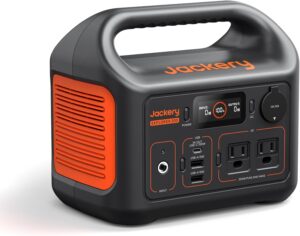
Jackery Portable Power Station Expl…
From the brand Essential HomePower 3600 Plus Prime Day #1 Best Seller New Product Launch Bestselling…

Mini First Aid Kit – 150 Piec…
Product description VRIEXSD 150PCS PORTABLE FIRST AID KIT Love enjoying outdoor activities? Want to do so…
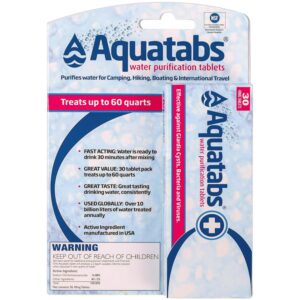
Aquatabs 49mg Water Purification Ta…
From the brand Aquatabs has been delivering life-saving water purification solutions since 1984. Since then, our…
