How to Prepare Your Home for Power Outages
Power outages are inconvenient at best and dangerous at worst. A short blackout can spoil food and interrupt communication; a prolonged outage can affect heating, medical equipment, and safety systems. Preparing your home in advance reduces stress and keeps your household safer and more comfortable.
This guide lays out practical steps to prepare before a blackout, equipment to consider, and simple routines to follow during and after an outage. Read through, make a plan, and assemble the essentials so you’re ready when the lights go out.
Assess Your Risks and Priorities
Start by evaluating how often outages occur in your area, typical duration, seasonality, and special needs in your household (infants, elderly, medical devices). Prioritize: life-sustaining power, heating/cooling, refrigeration for medicines/food, lighting, and communications.
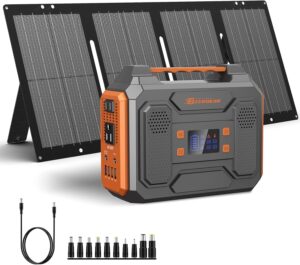
If you expect frequent or long outages, consider investing in a larger backup solution such as a portable solar generator (300W) to provide multi-day support for small appliances and device charging.
Create a Power-Outage Kit
Assemble a kit you can access quickly when power fails. Include reliable lighting, communication chargers, a first-aid kit, bottled water, and some nonperishable food. Keep it in a durable bin and store it where everyone in the household knows it’s located.
For lighting, choose a mix of overhead and personal lights. A compact option that packs well into a kit is a collapsible portable LED camping lantern — it’s lightweight, rechargeable, and works for tabletop or task lighting.
Lighting Solutions: Reliable, Safe, and Efficient
Lighting is the single most immediate need in a blackout. Choose options that are safe indoors (no open flames) and long-lasting. Battery-powered LED bulbs, rechargeable bulbs that screw into existing sockets, and headlamps are all useful.
Replace a few frequently used bulbs with rechargeable emergency light bulbs that will operate normally on mains power and automatically switch to battery backup during an outage — great for hallways and entryways.
Backup Power Options: Batteries, Power Stations, and Generators
Batteries and portable power stations offer quiet, safe backup for small devices and appliances. They’re ideal for charging phones, powering lights, running a small fridge briefly, and keeping medical devices online. Choose units with pure sine wave output for sensitive electronics.
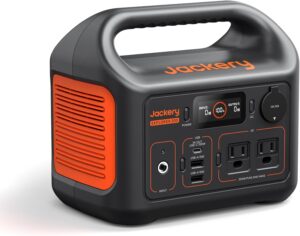
A compact, well-reviewed option is the Jackery Explorer 300 portable power station, which charges by AC, car, or solar and provides enough capacity for critical small loads. Match capacity to your needs: list devices, note wattage, and calculate expected run-time before purchase.
Cooking Without Power
Plan safe cooking options that don’t rely on your electric stove. Portable camping stoves, portable grills, or a dedicated propane camp stove can prepare hot food and boil water during outages. Always use these appliances outdoors or in very well-ventilated areas to avoid carbon monoxide build-up.
For compact, reliable emergency cooking gear, consider portable camping stoves. Stock fuel and practice setup during calm weather so you can cook safely under stress.
Keep Food and Water Safe
Protect your food and water supply during outages. Keep refrigerator and freezer doors closed as much as possible — a full freezer can keep food frozen about 48 hours if unopened. Have a cooler and ice packs ready for transferring perishables if the outage extends.
Store at least 1 gallon of water per person per day for drinking and sanitation. Consider sealed water jugs, purification tablets, or a gravity filter for extended outages. Regularly rotate perishable emergency foods and keep a manual can opener in your kit.
Protect Electronics and Home Systems
Use surge protectors for expensive electronics and shut off non-essential breakers to reduce surge risk when power returns. Keep essential devices charged and back up critical data. If you have a sump pump, battery backups or a generator dedicated to that circuit will prevent basement flooding during storms.
Label circuit breakers by priority (refrigerator, furnace, sump pump, medical outlets) so you can restore power selectively when using a portable generator or power station.
Safety: Carbon Monoxide and Fire Prevention
Never run gasoline-powered generators, grills, or camp stoves inside the home, garage, or near open windows. These create lethal carbon monoxide (CO) levels quickly. Ensure every level of your home has a working CO alarm and smoke detectors.
Install and maintain carbon monoxide detectors and test them monthly. Also check smoke detectors and keep a fire extinguisher handy for cooking-related fires.
Practice, Communication, and Documentation
Run periodic drills so everyone knows the outage routine: where the kit is, how to operate the generator or stove safely, and how to contact neighbors and emergency services. Keep a printed emergency contact list and copies of critical documents (insurance, medical info) in a waterproof folder.
Designate a communication plan: who will check on vulnerable neighbors, where to meet if you must leave home, and how to conserve phone battery life (low-power mode, text vs calls).
Quick Checklist
- Assemble an outage kit: lights, chargers, first-aid, water (1 gal/person/day), nonperishable food
- Install and test CO detectors and smoke alarms regularly
- Acquire at least one portable light source and rechargeable bulbs
- Choose a backup power option: power station, solar generator, or generator
- Stock cooking alternatives and fuel; practice safe use outdoors
- Label essential breakers and protect electronics with surge protection
- Keep manual tools: can opener, wrench, battery radio or weather alert radio
FAQ
-
How long will a portable power station run my fridge?
Run-time depends on the fridge’s starting and running watts and the power station’s capacity. Calculate run-time by dividing power station watt-hours by the appliance’s average wattage. For extended refrigeration, prioritize a high-capacity unit or use coolers and ice.
-
Is it safe to use indoor grills or candles during outages?
No—open flames and indoor grills increase fire and carbon monoxide risk. Use battery or USB-powered LED lighting and outdoor-rated cooking devices with proper ventilation.
-
How often should I test smoke and CO detectors?
Test smoke and CO detectors monthly and replace batteries at least annually unless they have long-life batteries. Replace detectors per manufacturer guidelines (typically 7–10 years).
-
What fuel storage precautions should I take?
Store fuel in approved containers in a cool, ventilated area away from living spaces and ignition sources. Follow local regulations for quantity limits and disposal.
-
Can I rely on solar panels during long winter outages?
Solar output varies with sunlight and temperature. For winter reliability, size the system conservatively, include battery storage, and have alternative charging methods available.
Conclusion
Preparing for power outages is a mix of planning, the right gear, and simple habits. Prioritize life-safety (medical devices, heating, carbon monoxide detection), secure lighting and communications, and safe cooking alternatives. Build a kit, test equipment, and review your plan with household members so you can respond calmly and effectively when the power goes out.
Products Featured in This Article

Collapsible Portable LED Camping La…
From the brand XTAUTO is professional in producing and selling LED lighting lamps. Since foundation up…

Neporal A19 Rechargeable Light Bulb…
From the brand Neporal is established on 2019. We are a family run, family first business….
Jackery Portable Power Station Expl…
From the brand Essential HomePower 3600 Plus Prime Day #1 Best Seller New Product Launch Bestselling…
Portable Solar Generator, 300W Port…
From the brand ZeroKor Electronics Co., Ltd is a Portable Solar Power Station Manufacturer, Factory was…
