
Essential Storm Preparedness Tips Every Homeowner Should Know
Storms can be sudden and damaging. A few strategic preparations before severe weather arrives will reduce risk, protect property, and keep your family safer and more comfortable during and after the event.
This guide lays out practical, prioritized steps homeowners can take—covering structural checks, flood protection, power and lighting, food and cooking, safety devices, and what to do after the storm passes.
1. Assess Risk and Make a Simple Plan
Start by understanding the types of storms common in your area (hurricanes, tornadoes, severe thunderstorms, winter storms). Identify safe rooms in your home—interiors on the lowest level without windows are best for high winds. Create a family plan covering shelter location, meeting points, and emergency contacts. Make sure every household member knows the plan and practices it at least once a year.
2. Secure the Roof, Windows, and Gutters
Inspect roofing for loose shingles, and clear gutters and downspouts to prevent water backup. Install storm shutters or board up windows when a major storm is forecast. Trim or remove trees and limbs that overhang structures or power lines to reduce the chance of falling debris.
3. Prepare for Flooding with Barriers and Sandbags
If you live in a flood-prone area, identify low points around your home where water can enter and create temporary barriers. Quality sandbags and flood barriers are an effective, low-tech option to divert or hold back water at doors and garage openings. Consider keeping a small stock or source identified in advance so you can deploy them quickly.
4. Power Backup: Portable Stations and Charging Strategy
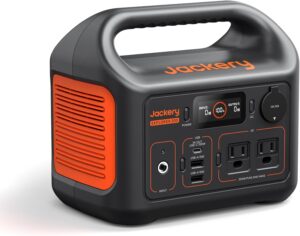
Power outages are common during storms. A reliable portable power station provides electricity for essential devices, small medical equipment, and communication gear. Choose one with sufficient watt-hours for your critical loads and test it periodically so you know how long it will run your needs.
Jackery Portable Power Station Explorer 300
5. Lighting and Portable Tools
Keep multiple dependable light sources in accessible locations: headlamps, handheld flashlights, and lanterns. Rechargeable flashlights are compact, bright, and reusable—perfect for getting around during a blackout. Store batteries and a manual charger as backups, and keep a small tool kit handy for quick repairs.
TrixHub Rechargeable Flashlights 2-Pack
6. Emergency Food and Water Supplies
Plan on at least 72 hours of food and water for each household member, longer if you live in an area with frequent storm-related isolation. Rotate supplies so food stays fresh and pack options that require little or no cooking. Store water in BPA-free containers or keep purification options available.
7. Emergency Cooking Options
If you expect extended outages, have a safe, off-grid cooking solution. Portable camping stoves let you heat meals without electricity—use them outdoors or in well-ventilated areas only and follow manufacturer safety instructions. Keep fuel stored safely and a manual can opener available for canned items.
8. Home Safety Devices to Maintain
Storms can cause fires (downed lines, generator misuse) and increase carbon monoxide risk. Verify smoke detectors and carbon monoxide detectors are functional with fresh batteries and test them monthly. Replace detectors that are past their recommended service life and install them per manufacturer guidance.
9. Evacuation, Documents, and Insurance
Know your local evacuation routes and shelter locations. Assemble a “go bag” with copies of critical documents (insurance policies, ID, medical records) in a waterproof container, plus cash, phone chargers, medications, and basic toiletries. Photograph or video your property for insurance records and secure policies in a cloud backup if possible.
10. After the Storm: Safety and Recovery
After the storm, watch for downed power lines, flooded roads, and unstable structures. Use caution with generators—operate them outdoors and away from windows. Report hazards promptly to authorities and document damage for insurance claims. Prioritize safety and only perform repairs you are qualified to do; contact licensed professionals for structural or electrical work.
Quick Storm-Prep Checklist
- Plan and practice family shelter drill.
- Inspect roof, gutters, and remove loose outdoor items.
- Store sandbags/flood barriers for low points and doors.
- Charge and test portable power station; keep power bank charged.
- Place flashlights, headlamps, and batteries in known spots.
- Maintain a 72-hour food and water supply per person.
- Have a portable stove and safe fuel supply; keep manual can opener.
- Test smoke and carbon monoxide detectors; replace batteries as needed.
- Assemble go bag with documents, medications, cash, and chargers.
FAQ
Q: How much water should I store per person?
A: The standard recommendation is one gallon per person per day for at least three days for drinking and sanitation—store more if you have infants, nursing mothers, or pets.
Q: When should I deploy sandbags?
A: Deploy sandbags when flooding is imminent and you have time to place them safely. Position them at entry points and low openings; they are most effective when stacked tightly and shaped to channel water away from structures.
Q: Are generators safe to run inside?
A: No. Generators and portable stoves must be used outdoors in well-ventilated areas to prevent carbon monoxide buildup. Follow all manufacturer instructions regarding placement and fuel handling.
Q: How often should I test smoke detectors?
A: Test smoke detectors monthly and replace batteries at least annually, unless using long-life batteries. Replace whole units according to manufacturer guidelines, typically every 10 years.
Q: What should be in a basic go bag?
A: Essentials include copies of important documents, cash, phone chargers and power bank, medications, a basic first-aid kit, water, nonperishable food, flashlight, multi-tool, and weather-appropriate clothing.
Conclusion
Preparedness reduces stress and speeds recovery. Focus on the highest-impact actions first: protect against flooding, secure power and lighting, maintain essential safety devices, and stock food, water, and cooking options. Regular checks and simple practice will keep your household ready for storms.
Products Featured in This Article

TrixHub Rechargeable Flashlights 2 …
Product description The video showcases the product in use.The video guides you through product setup.The video…
Jackery Portable Power Station Expl…
From the brand Essential HomePower 3600 Plus Prime Day #1 Best Seller New Product Launch Bestselling…
