What to Include in a Family Go Bag
When an emergency strikes you don’t have time to think. A well-packed family go bag (one per person, plus a shared family bag) reduces stress and keeps essentials within reach. This guide lists the practical items every household should consider for quick evacuations or short-term displacement.
Keep gear compact, prioritized, and regularly checked. Focus on life-sustaining items first—water, food, light, communication, and basic medical needs—then add comfort and documentation. Below are clear sections and a ready-to-use checklist to help you build or update your go bags today.
Bag and Basics: choosing the right pack
Select a durable, comfortable backpack with padded straps, multiple compartments, and at least 20–35 liters capacity for adults; smaller sizes for children. Keep weight reasonable—aim for no more than 20% of an adult’s body weight if they’ll carry it long distances. Label bags with names and contact details and store them where everyone can grab them quickly (hallway, garage, or car).
Water storage
Every go bag needs reliable water storage that’s lightweight and compact. A collapsible 1–2 liter reservoir is ideal because it fits inside a pack and doubles as an extra container when you find water sources. For a practical option, consider a collapsible hydration bladder that packs flat and holds enough for short evacuations.
HydraPak Seeker collapsible water storage is a good example of a grab-and-go reservoir that fits standard go bags and offers leak-proof storage for quick use.
Water purification
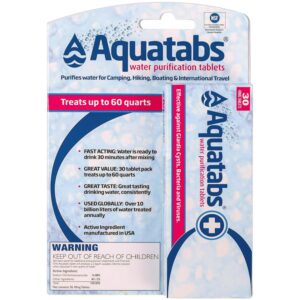
Don’t rely solely on stored water. Include at least two methods to make questionable water safe: chemical treatment and a lightweight filter. Chemical tablets are small, lightweight, and effective against bacteria and viruses when used correctly—perfect for emergency kits.
Pack a 30-day supply of purification tablets for each person, and practice using them before an emergency. Aquatabs water purification tablets are compact and labeled for emergency use, making them an easy addition to a go bag.
Food: quick, calorie-dense choices
Choose non-perishable, ready-to-eat items that require minimal preparation. Aim for 1,200–2,000 calories per person per day for short-term displacement; prioritize lightweight, high-calorie foods for adult carriers.
- Prepackaged, single-serving options (energy bars, nut mixes)
- Ready-to-eat meals for children or those with dietary needs
- Simple comfort items to reduce stress (fruit leather, chocolate)
For dependable long-shelf-life meals that are ready quickly, include a small supply of freeze-dried meals—they’re lightweight, compact, and provide balanced nutrition when you need it most.
Lighting
Power outages are common in many emergencies. Pack two light sources per person: a headlamp for hands-free tasks and a compact handheld flashlight. Choose battery types that are easy to replace and keep spare batteries in sealed bags.
A reliable, rechargeable handheld option like TrixHub rechargeable flashlights gives bright, variable lighting and can be recharged when power returns or via a power bank.
Power and electronics
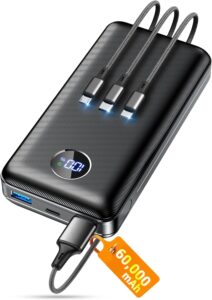
Keep devices charged and communication lines open. Include a small, high-capacity power bank and a short cable kit (Lightning, USB-C, Micro-USB). A power bank sized 10,000–20,000 mAh will typically recharge a phone multiple times.
For compact, reliable charging in a go bag, add a multi-port power bank such as the portable charger power bank. Keep it charged and top it off every 3–6 months as part of bag maintenance.
First aid and medications
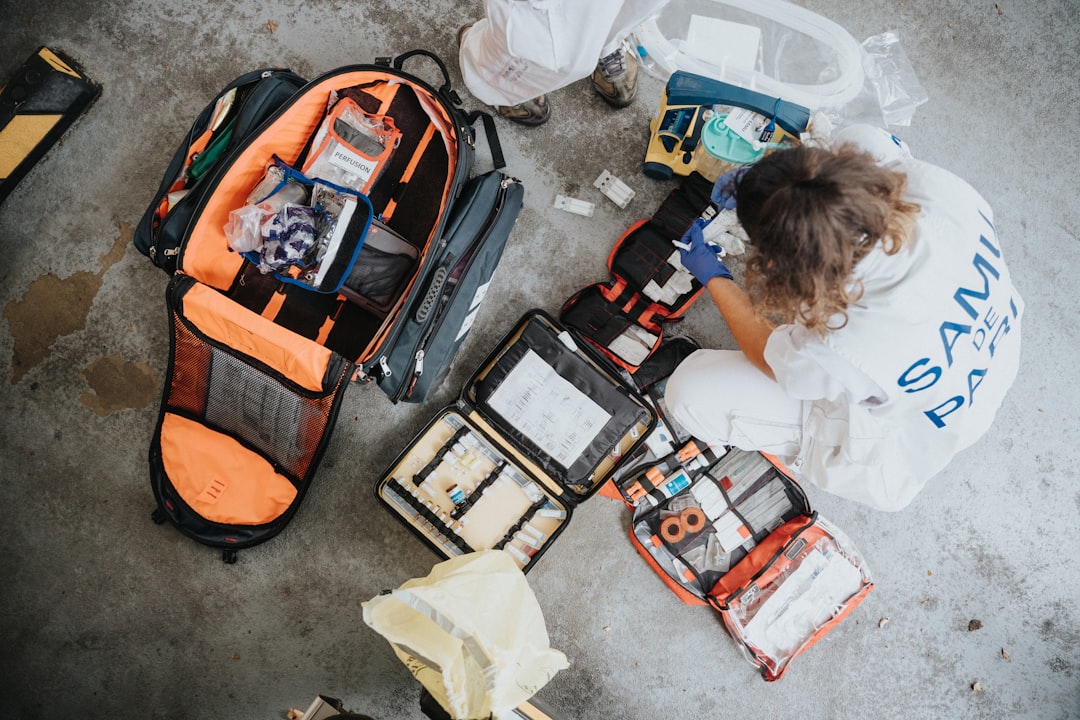
A compact, well-stocked medical kit is essential. Include adhesive bandages, gauze, antiseptic wipes, tape, tweezers, pain relievers, and any personal prescriptions (stored in original labeled containers). For families, add pediatric items and extra dosages for children.
Start with a ready mini kit and supplement it based on family needs. The Mini First Aid Kit — 150 piece is compact, weather-resistant, and provides basic supplies that are easy to replenish.
Tools, shelter, and comfort items
Include a compact multi-tool, a fixed-blade or folding knife, duct tape, paracord (10–20 ft), and a lightweight emergency blanket per person. A small tarp or poncho can serve multiple shelter needs. Add weather-appropriate clothing: socks, a warm layer, and a compact rain jacket.
For families with young kids, include comfort items (small toy, family photo), diapers, wipes, and formula or easy-to-prepare food if needed. Pack copies of important documents in a waterproof bag and some cash in small bills.
Communication and signaling
Carry a small battery-powered or hand-crank radio if possible, and teach family members common signals (whistle blasts, flashlight signals). Include a durable whistle for each bag and label a meeting point and emergency contacts on a laminated card inside the pack.
Sanitation and hygiene
Pack a small hygiene kit: hand sanitizer, travel soap, toothbrushes, a small towel, a roll of toilet paper or tissue packs, feminine hygiene products, and plastic bags for waste. Sanitation reduces the risk of infection and keeps morale up during disruptions.
Maintenance and packing tips
- Rotate food, water, batteries, and medications every 6–12 months.
- Practice “grab-and-go” drills with the family to ensure everyone knows where bags are and what to do.
- Weigh your bag; reduce nonessential items if it becomes too heavy for the primary carrier.
- Keep one small duplicate bag in a vehicle if you commute or travel frequently.
Go Bag Checklist (one per person, plus family bag)
- Backpack (20–35L) with name/contact card
- Water reservoir (2L) and water purification tablets (HydraPak and Aquatabs)
- 3 days of food (freeze-dried or energy bars) — include freeze-dried meals
- Lighting: headlamp + flashlight (rechargeable flashlights)
- Power bank (10k–20k mAh) and charging cables (portable charger)
- Mini first aid kit and personal medications (mini first aid kit)
- Multi-tool/knife, small amount of cash, copies of documents, whistle, hygiene kit
FAQ
-
How often should I check my go bag?
Inspect quarterly: rotate food, water, batteries, and medications every 6–12 months; update clothing and documents seasonally.
-
How much water should I pack per person?
For short evacuations, 1–2 liters per person is minimal; for longer disruptions, plan 1 gallon per person per day. A go bag should include at least a collapsible 1–2L container plus purification options.
-
Can children carry go bags?
Yes, but keep their bags light and age-appropriate. Children under 12 should carry only essential comfort and survival items; adults should carry the bulk of gear.
-
Should I include firearms or pepper spray?
Include only items you are legally allowed to carry, trained to use, and comfortable keeping in an emergency. Many families opt for non-lethal measures, communication, and escape routes instead.
-
Where should I store family go bags?
In a consistent, accessible location: near main exits, in a car trunk, or a designated shelf in a garage. Make sure all family members know the location.
Conclusion
A practical family go bag balances essentials, weight, and individual needs. Start with water, food, light, power, and a compact medical kit, then tailor the rest to your family’s ages and risks. Build one today, run a quick drill, and update it regularly—preparation starts with the first pack you assemble.
Products Featured in This Article

TrixHub Rechargeable Flashlights 2 …
Product description The video showcases the product in use.The video guides you through product setup.The video…
Portable Charger Power Bank, 60000m…
From the brand ZZI Huge Capacity 60000mAh Power Bank: ZZI portable charger features a new high-density…

Mini First Aid Kit – 150 Piec…
Product description VRIEXSD 150PCS PORTABLE FIRST AID KIT Love enjoying outdoor activities? Want to do so…
Aquatabs 49mg Water Purification Ta…
From the brand Aquatabs has been delivering life-saving water purification solutions since 1984. Since then, our…

HydraPak Seeker – Collapsible…
Designed for efficiency in the backcountry, the HydraPak Seeker 2L to 4L is a lightweight, collapsible…
