

Simple Ways to Keep Your Family Safe During Severe Weather
Severe weather can arrive with little warning and disrupt power, transportation, and essential services. A small amount of planning and a handful of reliable tools significantly reduces risk and makes recovery faster and less stressful for your household.
This guide gives clear, practical steps you can implement today—focused on communication, shelter, power, water, and safe cooking—so your family is ready to ride out storms and recover safely.
1. Know the risks and stay informed
Identify the types of severe weather your area faces—hurricanes, flash floods, tornadoes, ice storms, wind events—and sign up for local alerts. A dedicated radio that receives NOAA emergency broadcasts is an inexpensive, dependable way to get localized warnings even if cell networks fail. Consider an easy-to-use unit like an emergency weather radio so you and family members receive watches and warnings immediately.
2. Make a clear family emergency plan
Designate a safe room for different threats (interior windowless room for storms, elevated location for floods) and practice evacuation routes. Decide how you’ll communicate if phones are down—pick an out-of-town contact and establish meeting points. Ensure every family member knows where emergency supplies are stored and how to shut off gas, water, and electricity if instructed by authorities.
3. Build a compact emergency kit
Pack supplies to sustain your household for at least 72 hours: water (one gallon per person per day), nonperishable food, a manual can opener, first-aid items, flashlights, extra batteries, and important documents in a waterproof container. For safe drinking water, include treatment options—water purification tablets are lightweight, long-lasting, and simple to use. Aquatabs are a practical choice to add to your kit for emergency water purification.
Aquatabs water purification tablets are compact and ideal for treating suspect water when tap supply is interrupted.
4. Protect your home from flooding
If you live in a flood-prone area, simple barriers can prevent or reduce water intrusion. Keep sandbags or temporary flood barriers on hand and store them where you can reach them quickly. For property-level protection, plan where to place barriers at door thresholds, garage openings, and low windows and practice the deployment once or twice a year so the process is familiar during an emergency.
Stock up now on sandbags and flood barriers to accelerate installation when a flood watch becomes a warning.
5. Maintain essential power and lighting
Power outages are among the most disruptive effects of severe weather. A compact, dependable power station provides outlets to keep phones charged, run medical devices briefly, or power a small refrigerator. For reliable backup power suited to home use or evacuation, consider options sized to your needs.
An example is the Jackery Portable Power Station Explorer 300, which is a practical mid-size unit for charging devices and running small appliances during short outages.
6. Manage lighting—small, durable, and portable
Reliable light sources reduce injury risk in the dark and help maintain routine. Keep multiple options: headlamps for hands-free tasks, handheld flashlights, and a larger lantern for shared indoor lighting. Store them with fresh batteries and consider lightweight, waterproof units so you can use them outdoors if needed.
Collapsible multi-pack lanterns are a smart choice for family use because they’re compact when stored and provide broad ambient light when expanded. These lanterns are ideal for household emergency kits and car kits.
Collapsible portable LED camping lanterns make it simple to light common areas during outages.
7. Safe emergency cooking
Power loss often disrupts food preparation. Have at least one off-grid cooking method you can use safely outdoors or in a ventilated area: a portable camping stove, a portable grill, or canned heat. Never use indoor fuel-burning devices inside living spaces unless they are explicitly rated for indoor use and ventilation is adequate, to avoid carbon monoxide risks.
For reliable field cooking, pack a compact option such as a portable camping stove and basic emergency cookware so you can heat food and boil water safely during extended outages.
8. Secure your home and reduce secondary hazards
Before storms arrive, secure loose outdoor items, trim trees that threaten structures, and reinforce garage doors and shutters where appropriate. After heavy wind events, check for gas smells, electrical wire damage, or structural hazards before re-entering spaces. Keep a fire extinguisher accessible and know how to use it in case damaged systems spark.
Quick checklist: What to prepare now
- Emergency plan: meeting places, contacts, shut-off locations
- 72-hour kit: water, food, medications, copies of documents
- Water treatment: purification tablets and spare bottles
- Power and light: power station, lanterns, flashlights, spare batteries
- Flood defenses: sandbags or temporary barriers stored nearby
- Cooking: portable camping stove and emergency cookware
- Safety: fire extinguisher, first-aid kit, basic tools
- Practice: run a drill for evacuation and sheltering annually
Frequently Asked Questions
- How much water should I store per person? Aim for one gallon per person per day for at least three days—more if you live in hot climates or have pets.
- Can I run a portable generator inside my garage? No—generators and most fuel-burning devices produce carbon monoxide. Run them outdoors at a safe distance and never in enclosed spaces.
- When should I deploy flood barriers? Start deploying barriers when a flood watch escalates to a warning for your area or when local officials advise evacuation—practice first so it goes faster under pressure.
- What’s the best way to keep food safe during an outage? Keep fridge/freezer doors closed as much as possible; use a power station for short-term temperature control. Have shelf-stable meals and a portable stove to heat food safely outdoors.
- How often should I check my emergency supplies? Inspect kits every six months: rotate food and batteries, replace expired medications, and verify devices charge and function correctly.
Conclusion
Severe weather preparedness is mostly about preparation and simple systems: reliable information, a practiced plan, basic supplies, and a few well-chosen tools. Start with the checklist, add the items that match your family’s needs, and run short drills so everyone knows what to do when weather turns dangerous.
Products Featured in This Article
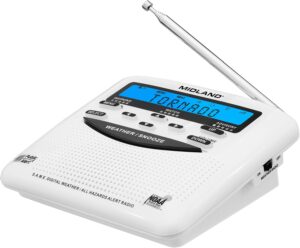
Midland – WR120B – NOAA…
From the brand Shop the Midland Brand Store NOAA Weather Scan & Alert – This emergency…

Collapsible Portable LED Camping La…
From the brand XTAUTO is professional in producing and selling LED lighting lamps. Since foundation up…
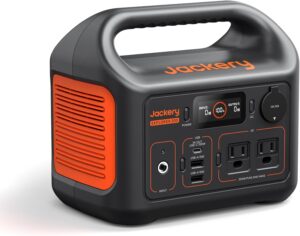
Jackery Portable Power Station Expl…
From the brand Essential HomePower 3600 Plus Prime Day #1 Best Seller New Product Launch Bestselling…

Aquatabs 49mg Water Purification Ta…
From the brand Aquatabs has been delivering life-saving water purification solutions since 1984. Since then, our…
