
Emergencies rarely announce themselves. A power outage, sudden storm, or localized flooding can arrive within minutes, and often your best defense is simple household items you already own or can add to your home kit. The goal is practicality: tools that solve immediate problems, keep you safe, and let you function until help or normal services return.
This guide highlights affordable, easy-to-find items that make a real difference during common emergencies. For each item, I’ll explain why it helps, how to use it effectively, and quick maintenance tips so it’s ready when you need it.
Water storage and safe drinking options
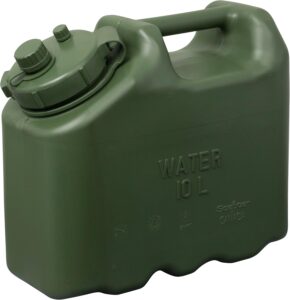
Access to water is the most critical immediate need after many emergencies. Keep multiple containers of potable water: at minimum one gallon per person per day for three days. A durable, purpose-built container is preferable to random bottles because it’s designed for transport and reuse. Consider investing in a sturdy water jug like the Scepter 2.5 Gallon True Military Water Container for long-term storage and easy pouring. Store containers in a cool, dark place and rotate water every 6–12 months, or refill and sanitize periodically.
Lighting: reliable, hands-free illumination
Power outages make basic tasks harder and increase risk of injury. Keep several light sources in accessible places: a headlamp for hands-free work, a flashlight for mobility, and at least one lantern for area lighting. Collapsible, rechargeable lanterns are compact and versatile—use one like the Collapsible Portable LED Camping Lantern in a central room to light an entire space during outages. Keep batteries charged, label chargers, and store spare batteries in a small waterproof bag.
Communication and weather alerts
During storms or infrastructure failures, staying informed about official alerts and weather updates is essential. A battery-, crank-, or solar-powered NOAA weather radio keeps you connected even if cell networks are down. Keep a dedicated weather radio charged and stored with other emergency items—models like the FosPower NOAA Emergency Weather Radio combine alerting with backup power and a flashlight, making them a compact multipurpose tool.
Fire safety and detection
House fires can arise during storms (from candles, faulty generators, or short circuits). Early detection and a way to suppress small fires are critical. Make sure every level of your home has a working smoke detector and replace batteries annually. Keep a suitable, accessible fire extinguisher on each floor—kitchen and garage are priorities. If you need equipment, look into certified options from the Fire Extinguishers category. Review proper extinguisher technique (P.A.S.S.: Pull, Aim, Squeeze, Sweep) and inspect pressure gauges and expiration dates routinely.
Protecting entry points and flood-prone areas
When storms bring heavy rain and rising water, simple barriers and quick actions can limit damage. Keep sandbags or reusable flood barriers for doors and low windows to slow water intrusion until professional help arrives. For household preparedness, store a set of barrier supplies in an accessible garage or shed—options are available in the Sandbags and Flood Barriers category. Know the fastest routes to move important items to higher ground, and keep pumps, squeegees, and towels ready for immediate response.
Cooking without power
When the grid goes down, a way to heat food and boil water matters. Portable grills and compact stoves allow you to prepare hot meals outdoors safely—store fuel and follow manufacturer ventilation guidance. A small stock of fire starters, emergency cookware, and a dedicated outdoor cooking setup makes it easy to cook in a controlled way. If you prefer a full off-grid option, keep a separate outdoor-only cooking device and match it with safe fuel storage practices.
Basic first aid and everyday tools
A compact first aid kit with bandages, antiseptic, gloves, and basic wound care supplies addresses common injuries until help is available. Include items like nitrile gloves, adhesive dressings, and wound ointment. Beyond medical supplies, keep multi-tools, duct tape, a reliable utility knife, and a roll of strong rope. These items are indispensable for minor repairs, securing covers, and improvising solutions during and after an emergency.
Organizing supplies and creating a grab-and-go kit
Preparedness fails when supplies are scattered. Use durable storage containers to organize kits by purpose—medicals in one bin, food and water in another, tools in a separate tote. Stackable, labeled containers make rapid access and transport easier; consider adding Storage Bins for neat, modular storage. Keep a small “go-bag” by the door with essentials: water, a radio, flashlight, a change of clothes, and copies of IDs and critical documents.
Quick maintenance tips to keep items ready
- Test batteries and electronic devices every 3–6 months; keep a charging plan for rechargeable gear.
- Rotate stored food and water on a schedule; label containers with purchase/rotation dates.
- Inspect fire extinguishers, smoke alarms, and seals on storage containers yearly.
- Store important tools and supplies in consistent, well-marked locations known to all household members.
- Practice basic emergency drills: where to meet, how to shut off utilities, and how to use your emergency radio.
Checklist: Simple household emergency items
- Water containers (1+ gallon per person per day) — e.g., Scepter 2.5 gal jug
- Rechargeable lanterns and flashlights
- Battery/crank/solar NOAA weather radio
- Smoke detectors and fire extinguishers
- Sandbags or flood barriers for low entry points
- Portable outdoor cooking option and fire starters
- Basic first aid kit and nitrile gloves
- Storage bins for organized supplies and a grab-and-go bag
- Multi-tool, duct tape, rope, and utility knife
FAQ
- Q: How much water should I store per person?
A: Aim for at least one gallon per person per day for drinking and basic hygiene—store a minimum three-day supply and ideally a two-week supply if space allows. - Q: Where should I keep emergency supplies?
A: Store heavy items at waist height in an entry-level location that’s easy to access. Keep a smaller grab-and-go kit by your primary exit door. - Q: How often should I test smoke detectors and radios?
A: Test smoke detectors monthly and replace batteries annually. Test radios and other electronics every 3–6 months and recharge or replace batteries as needed. - Q: Are sandbags reusable?
A: Some sandbags and modern barriers are reusable; follow manufacturer instructions for cleaning and storage. Always dry and store them properly between uses. - Q: Can I cook indoors with a portable grill?
A: No—portable grills and camp stoves should be used outdoors only, away from structures and ventilation intakes, to avoid carbon monoxide and fire hazards.
Practical preparedness centers on a few dependable items used the right way: stored water, reliable light, a way to receive alerts, fire protection, flood barriers, basic first aid, and organized storage. Start by assembling these core pieces, label everything, and run a short household plan so everyone knows where things are and how to use them. Small investments and regular checks turn ordinary household items into effective emergency tools.
Products Featured in This Article

FosPower NOAA Emergency Weather Rad…
From the brand Explore Our Collection Swipe right to learn more about our best-selling emergency crank…
Scepter 2.5 Gallon True Military BP…
To calculate the overall star rating and percentage breakdown by star, we don’t use a simple…

Collapsible Portable LED Camping La…
From the brand XTAUTO is professional in producing and selling LED lighting lamps. Since foundation up…
