

Important Documents to Keep Ready for an Emergency
When disaster strikes you rarely have time to think. Having the right documents organized and accessible can make evacuation, recovery, insurance claims, and reunification faster and less stressful.
This guide lists the documents to prioritize, where to store them, and simple steps to keep copies safe both physically and digitally. Use this as a checklist to assemble an emergency-ready document kit you can grab on short notice.
1. Identification and Personal Records
Primary identification for every household member is the first priority: driver’s licenses, state IDs, passports, Social Security cards, and birth certificates. Keep originals together in one waterproof, portable folder along with recent passport photos and extra photocopies.
For physical organization, use durable containers such as Storage Bins to store a home copy of documents and duplicates of your emergency kit—choose a bin that fits in your go-bag or car trunk for rapid retrieval.
2. Financial and Legal Documents
Gather recent bank statements, credit card information, tax returns (last two years), retirement and investment account details, mortgage or lease documents, and a copy of wills, powers of attorney, and advance directives. Note account numbers and institution contact details separately in a concise list.
If you must evacuate, a simple printed summary of account access instructions and login names (not passwords) speeds post-disaster recovery and helps an appointed agent act on your behalf under a power of attorney.
3. Insurance Policies and Property Records
Keep copies of homeowners, renters, auto, flood, and earthquake insurance policies, plus recent photos or videos of high-value items. Store deeds, mortgage documents, appraisal reports, and a homeowner’s inventory with serial numbers and receipts.
If your area faces flood or storm risk, also have a plan for property protection and supplies on hand—consider reviewing options in your area like Flood Protection Supplies so you can act quickly to protect belongings and document damage.
4. Medical and Health Information
Create a health summary sheet for each person listing allergies, chronic conditions, medications (with dosages), primary care and specialty contacts, insurance cards, and vaccination records. Include copies of prescriptions and a child’s medical records if applicable.
Add a compact first aid kit to your emergency supplies and keep a copy of the health summary inside. A small kit such as the Mini First Aid Kit – 150 Piece paired with these documents makes short-term care more manageable when help is delayed.
5. Emergency Contacts and Communication Plan
List out local emergency numbers, family and out-of-area contacts, work and school numbers, utility providers, insurance agents, and veterinarian contacts. Share an emergency rendezvous plan and designate a family point person outside the affected area.
Keep both printed copies and digital versions accessible. A battery-powered NOAA emergency weather radio is essential for receiving alerts when cell service is unreliable; store a copy of your contact list near it so you can update or share information as conditions change.
6. Digital Backups and Secure Storage
Scan all important documents and save encrypted copies in at least two places: a cloud account and a local encrypted drive. For quick offline access, store a USB drive with encrypted files in a waterproof case and keep a second copy with a trusted family member or attorney.
Power continuity matters when accessing digital backups—pack a reliable portable power source such as a portable power station or a high-capacity power bank to keep phones and small laptops running during prolonged outages.
7. Vehicle and Pet Documents
Include vehicle registrations, titles (or copies), proof of insurance, roadside assistance membership info, and keys. For pets, carry vaccination records, microchip numbers, a photo, and copies of any permits or licenses. A pet emergency card with feeding and medical instructions is also helpful for shelters or caretakers.
Keep these packets in your glove box or attach them to your grab-and-go bag so they are immediately available if you must leave quickly.
8. Special Considerations for Homeowners and Renters
If you own property, maintain a folder with contractor bids, recent repair invoices, and warranty documents for major systems like HVAC. Renters should keep lease agreements and landlord contact info handy. After a disaster, these documents expedite claims and repair approvals.
Photograph damage immediately with timestamps and store copies in your digital backup to support insurance claims and recovery grants.
Quick Checklist
- IDs: passports, driver’s licenses, Social Security cards
- Legal: wills, POAs, property deeds, leases
- Financial: recent statements, account numbers, tax returns
- Insurance: policies, contact info, photos/videos of valuables
- Medical: health summaries, prescriptions, insurance cards
- Emergency: contact list, evacuation plan, meeting points
- Pets & Vehicles: vaccine records, registrations, keys
- Digital: encrypted scans in cloud + offline backup
FAQ
Q: Where should I store originals vs. copies?
A: Keep originals in a fireproof, waterproof container at home if you plan to shelter in place. Store one set of certified copies or encrypted digital backups off-site (trusted relative, attorney, or secure cloud).
Q: How often should I update my emergency documents?
A: Review and update annually or after major life events—new child, marriage, divorce, home purchase, new insurance policy, or significant medical changes.
Q: What if I don’t have reliable internet to access digital backups?
A: Keep encrypted USB drives or printed emergency summaries in your grab-and-go kit. A battery-powered radio and portable power source can help maintain communications when networks fail.
Q: Which documents are most important to take if evacuating quickly?
A: Prioritize IDs, insurance policies, cash/cards, critical medical info and meds, and a compact list of emergency contacts. Photocopies of property documents are helpful but can be left if time is extremely limited.
Q: How can I make documents accessible to family without compromising security?
A: Use password managers for login credentials, share emergency access with a designated agent via written power-of-attorney documents, and provide encrypted file access credentials separately in a sealed document carried by that agent.
Conclusion
Assemble your documents into a compact, labeled kit—physical and digital—that you review yearly. Store copies off-site and ensure power options exist to access digital files. Small preparation now saves time, money, and stress later.
Products Featured in This Article
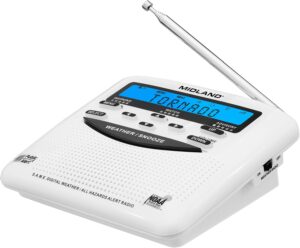
Midland – WR120B – NOAA…
From the brand Shop the Midland Brand Store NOAA Weather Scan & Alert – This emergency…
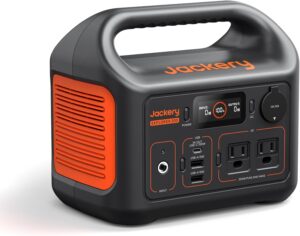
Jackery Portable Power Station Expl…
From the brand Essential HomePower 3600 Plus Prime Day #1 Best Seller New Product Launch Bestselling…

Mini First Aid Kit – 150 Piec…
Product description VRIEXSD 150PCS PORTABLE FIRST AID KIT Love enjoying outdoor activities? Want to do so…
