How to Store Emergency Water at Home the Right Way
Water is the most important item in any home emergency plan. When regular supplies are disrupted, having a safe, accessible water reserve can protect health and give you time to act calmly.
This guide walks through practical steps for choosing containers, sanitizing and storing water, treating and rotating supplies, and packing portable options for evacuation. If you want to browse preparedness products that complement these steps, check the Prepared Home Daily selection for items that fit your plan.
How much water should you store?
Plan for at least 1 gallon per person per day for drinking and basic hygiene. For a basic 3-day emergency, that’s 3 gallons per person; for a two-week plan, multiply accordingly. Don’t forget water needs for pets and any medical or home-care equipment that requires water.
Consider increasing your supply if you live in a hot climate, have young children, nursing moms, or household members with special needs—those situations raise daily water use beyond the 1-gallon guideline.
Choose the right containers
Use food-grade, BPA-free containers designed for potable water—never reuse milk jugs long-term, as they can break down and contaminate water over time. For bulk home storage, sturdy jugs with tight screw caps and a convenient pour spout are best. A reliable option for larger, stackable containers is the FastRack 6 Gallon Hedpak Water Jug, which is food-grade, leak-proof, and made for storage and transport.
For short-term kits or backpacks, smaller durable bottles, stainless steel containers, or collapsible water reservoirs work well—keep them separate from your bulk supply so you can grab them quickly.
Cleaning and preparing containers
Even new containers should be rinsed before use. To sanitize: wash with soap and warm water, rinse thoroughly, then sanitize with a mild bleach solution (typically 1 teaspoon of unscented household bleach per quart of water used to rinse the container) and rinse again. Let containers air-dry with the caps off.
Label containers with the fill date and contents. If you fill from municipal tap water, adequate sanitation at the time of filling is usually sufficient; if you fill from wells, springs, or unknown sources, treat the water before storage (see purification section).
Where and how to store water
Store water in a cool, dark place away from direct sunlight, heat sources, and chemicals such as gasoline or pesticides. Basements are often ideal if they stay dry; avoid areas that could flood. Keep containers off concrete floors when possible—use pallets or shelving to protect from temperature extremes and potential contamination.
Rotate your supply: use older water first and replace with fresh. For commercially sealed water jugs, follow manufacturer guidance on shelf life; for home-filled containers, rotate every 6–12 months. Always inspect containers for swelling, cloudiness, or unusual odors before use.
Treating and purifying stored water
Even properly stored water can become suspect if containers are damaged or contaminated. Keep treatment options on hand: chlorine bleach, water purification tablets, and filtration. For reliable chemical treatment designed for camping and emergency use, consider Aquatabs 49mg Water Purification Tablets, which are compact, easy to dose, and handy if you have to disinfect water quickly.
If you suspect biological contamination (cloudy water, dead animals near source, floodwater), combine filtration and chemical treatment or boil if possible before treating. Keep instructions for tablet dosing and chemical use with your kit so anyone can follow them safely.
Filtration and portable purification for on-the-go needs
For evacuations or collecting water from uncertain sources, small gravity or straw filters are invaluable. A gravity-style filter lets you fill a reservoir and filter into a clean container; a straw filter lets one person drink directly from a source. The Waterdrop Gravity Water Filter Straw is a compact option for filtering particulates and many pathogens in outdoor or emergency situations.
Remember: filters require maintenance and cartridge replacement. Keep spare cartridges or a chemical option as a backup if cartridges clog or get damaged.
Portable containers and evacuation packs
Pack lightweight, durable water containers in your go-bag or vehicle. Collapsible reservoirs save space and are useful for short evacuations. The HydraPak Seeker – Collapsible 2L is a BPA- and PVC-free option that folds flat when empty and is easy to carry under stress.
For vehicles, keep a mix of sealed bottled water and collapsible containers. Vehicle temperatures can fluctuate; rotate water stored in cars more frequently and keep containers shaded when possible.
Maintenance, rotation, and filters replacement
Set a calendar reminder to check water supplies every 6 months. During checks, inspect for leaks, bulging, cloudiness, or off-odors. Replace water that shows signs of contamination. For household pitchers and filtration systems, keep replacement filters on hand—the life of a filter depends on use and source water quality. If you use countertop or pitcher filters, stock replacement cartridges like the Upgraded Water Filter Replacement so you can maintain filtration performance when you need it most.
Document your supply: a list taped to the storage area with fill dates, container types, and treatment methods saves time during stress and helps whoever is managing supplies.
Checklist: Essentials for safe home water storage
- At least 1 gallon per person per day (plan for 3 days to 2 weeks).
- Food-grade bulk containers (e.g., 5–6 gallon jugs) and smaller portable bottles.
- Sanitizing supplies (unscented bleach or sanitation tablets).
- Water treatment tablets like Aquatabs for emergency disinfection.
- Portable filter(s) such as a gravity or straw system like the Waterdrop Gravity Water Filter Straw.
- Collapsible reservoirs for evacuation (e.g., HydraPak Seeker 2L).
- Replacement filters/cartridges on hand (e.g., Upgraded Water Filter Replacement).
- Labels and a rotation schedule.
FAQ
- How long is stored tap water safe?
Properly stored tap water in clean, food-grade containers is typically safe for 6–12 months if kept sealed and stored correctly. Inspect before use and rotate regularly.
- Can I store water in glass or plastic?
Both are acceptable if they are food-grade and sanitized. Glass is inert and won’t leach, but it’s heavier and breaks. Use durable, wide-mouth food-grade plastic for convenience and safety.
- Is bottled water better than home-filled jugs?
Commercially bottled water is convenient and has long shelf stability while sealed. Home-filled, sanitized containers are economical and customizable in volume; both are valid when handled correctly.
- What if I have to use floodwater?
Floodwater is likely contaminated. Treat with filtration plus chemical disinfection or boil if possible. Use a gravity filter and disinfection tablets for best results in the field.
- How do I disinfect water with bleach?
Use unscented household bleach (about 5–6% sodium hypochlorite). A common guideline is 8 drops (about 1/8 teaspoon) per gallon of clear water; double the dose for cloudy water and allow 30 minutes contact time. Always follow product instructions and local guidance.
Conclusion
Storing emergency water at home is straightforward when you choose food-grade containers, sanitize and label them, keep supplies in a cool dark place, and maintain a rotation schedule. Combine bulk storage with portable options and treatment tools like purification tablets and gravity filters to cover home and evacuation scenarios. A small, organized investment now will pay off during any disruption—start by picking the right containers and making a simple rotation plan.
Products Featured in This Article
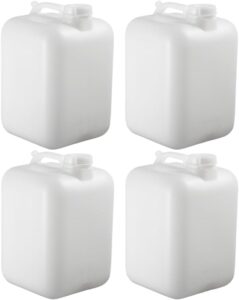
FastRack 6 Gallon Hedpak Water Jug …
FastRack 6 Gallon Hedpak with Cap | BPA-free, Food-Grade, and Leak-Proof | White Water Container |…
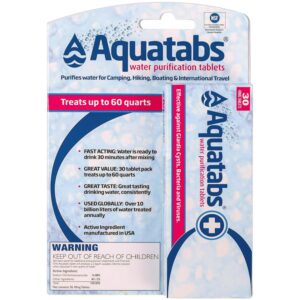
Aquatabs 49mg Water Purification Ta…
From the brand Aquatabs has been delivering life-saving water purification solutions since 1984. Since then, our…
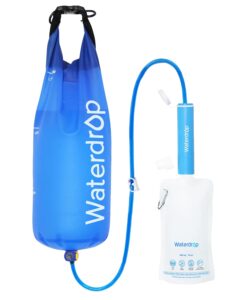
Waterdrop Gravity Water Filter Stra…
From the brand Filter Better Live Healthier Filter Better Live Healthier CWE Spotless Car Wash System…

Upgraded Water Filter Replacement F…
Product description Perfect Water Filter Replacement: Fit for Zero Pitchers and Dispensers fit for Zero Filter…

HydraPak Seeker – Collapsible…
Designed for efficiency in the backcountry, the HydraPak Seeker 2L to 4L is a lightweight, collapsible…
