How to Prepare Your Home for Winter Emergencies
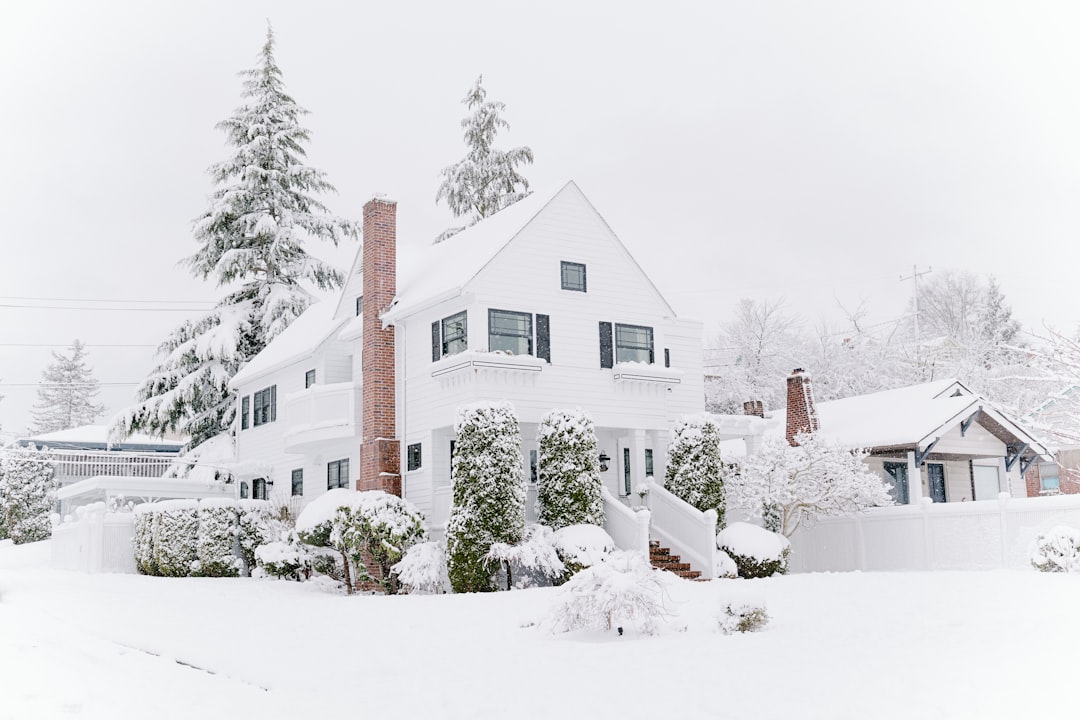
Winter storms bring cold, wind, heavy snow, ice, and the increased chance of power loss or flooding from thawing snow. Preparing your home now reduces stress, prevents damage, and keeps everyone safer when conditions deteriorate.
This guide gives clear, actionable steps you can take before winter arrives—from backup power to water and safe heating—so you have a practical plan and the right supplies when an emergency hits.
Know your winter risks and make a plan
Start by identifying likely scenarios in your area: blizzards, extended outages, frozen pipes, downed trees, or rapid melt and flooding. Map where your household will shelter, how you’ll cook and stay warm, and who is responsible for key tasks (shoveling, checking pipes, tending generators). Keep a printed list of emergency contacts and an emergency kit in an easy-to-reach location.
Prepare for power outages with reliable backup power
Outages are the most common winter complication. A compact, safe backup power source can run lights, a small heater, communications, and medical devices for hours. Consider a portable power station that provides AC, USB, and DC outputs and can recharge from solar panels or a vehicle.
One solid option to evaluate is the Jackery Portable Power Station Explorer 300, which balances capacity, weight, and output for most household emergency needs.
Safe heating and carbon monoxide prevention
When the heat goes out, people often turn to alternative heating methods. That increases the risk of carbon monoxide (CO) buildup and fire. Never use indoor-only fuel devices in enclosed spaces, and always ventilate stoves and heaters according to manufacturer instructions.
Install and test quality CO monitors on every level and outside sleeping areas so you get an early warning if a hidden leak occurs. A recommended category to browse for this purpose is Carbon Monoxide Detectors.
Food, cooking, and safe alternative fuel
Plan for at least 72 hours of food that requires minimal or no cooking. Include canned goods, ready-to-eat meals, and a manual can opener. If you will rely on an outdoor grill or camp stove for hot meals, practice safe setups outdoors and keep fuel stored safely away from living spaces.
If your routine includes grilling for emergency cooking, consider options from the Portable Grills category to find compact, sturdy units suited to winter use.
Water: storage, frozen pipes, and sanitation
Water supplies can be interrupted by broken mains or frozen supply lines. Store an emergency water supply—one gallon per person per day for drinking and minimal hygiene—and take steps to prevent pipes from freezing (insulate, let faucets drip, open cabinet doors by sinks).
For short-term water needs and easy handling, consider durable water containers such as the Scepter 2.5 Gallon Water Container. Keep water purification tablets or a basic filter on hand in case you need to treat alternate sources.
Lighting, tools, and communications
Power outages create immediate hazards—dark stairs, frozen walkways, and blocked exits. Stock multiple light sources (headlamps, lanterns, handheld flashlights) with extra batteries and charging options. A small NOAA weather radio keeps you informed if cell service is unreliable.
Durable rechargeable flashlights are especially useful for repeated outages. Consider reliable options like the TrixHub Rechargeable Flashlights 2-Pack to ensure you have bright, rechargeable light available.
Snow, ice, and flood threats around your home
Heavy snow and ice bring roof loads, fallen branches, and blocked drainage. Clear roof and gutter debris before storms, trim weak tree limbs, and know where to safely shovel to avoid injury. When rapid thaw or blocked drains pose a flood risk, temporary barriers can protect vulnerable entry points.
If your property is at risk from runoff or localized flooding during melts, keep supplies like Sandbags and Flood Barriers on hand and have a plan to deploy them quickly around doors and low windows.
Protect your home, valuables, and escape routes
Winter emergencies can make evacuation harder. Keep pathways clear, a functioning shovel and ice melt by each exit, and a fire escape plan in case blocked exits force an alternative route. Check smoke detectors and fire extinguishers seasonally, and store important documents in a waterproof, easy-to-carry container.
Secure outdoor items that might become projectiles in high winds. If you must evacuate, take your emergency kit and any essential medications first; then move to higher ground if flooding is imminent.
Quick winter-prep checklist
- Backup power: charged portable power station and extra power banks.
- Heating safety: installed carbon monoxide detectors and safe alternative heating plans.
- Food & water: 72-hour meal plan, manual can opener, and containers for stored water.
- Lighting: headlamps, lanterns, and rechargeable flashlights with spare batteries.
- Home defense: shovel, ice melt, roof/gutter maintenance, and sandbags if flood-prone.
- First aid and essentials: first-aid kit, necessary medications, warm clothing, and blankets.
- Communications: NOAA radio, charged phones, and printed emergency contacts.
FAQ
-
Q: How much fuel should I store for a grill or stove?
A: Store enough fuel for several days of minimal cooking—remember that fuel degrades over time. Rotate supplies and store fuel outdoors in approved containers per local codes.
-
Q: Can I use a generator indoors in winter?
A: No. Generators emit carbon monoxide. Operate them outdoors, away from windows and vents, and never run them in an attached garage.
-
Q: What temperature should I keep my home to prevent pipe freezes if I lose power?
A: If possible, maintain at least 55°F by using alternate safe heat sources. Open cabinet doors to expose plumbing to warmer indoor air and let faucets drip slightly to reduce freezing risk.
-
Q: How can I prevent roof collapse from heavy snow?
A: Remove excess snow safely—use a roof rake from the ground when possible. For heavy accumulations or concerns about structural integrity, hire a professional.
-
Q: What’s the best way to keep phones charged during an extended outage?
A: Keep high-capacity power banks charged and consider a portable power station that can recharge devices and run small appliances. Conserve battery by reducing screen brightness and using airplane mode when appropriate.
Conclusion
Winter emergencies are manageable with a clear plan and the right supplies. Prioritize safe heating, reliable light and power, water, and a simple evacuation plan. Start now—inspect detectors, top up supplies, and place critical items where you can reach them quickly. A few proactive steps now will make winter storms far less disruptive and far safer for everyone in your home.
Products Featured in This Article
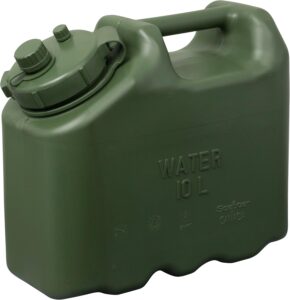
Scepter 2.5 Gallon True Military BP…
To calculate the overall star rating and percentage breakdown by star, we don’t use a simple…

TrixHub Rechargeable Flashlights 2 …
Product description The video showcases the product in use.The video guides you through product setup.The video…
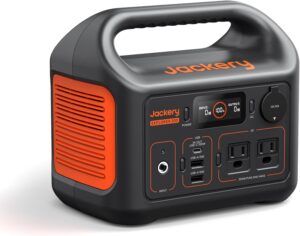
Jackery Portable Power Station Expl…
From the brand Essential HomePower 3600 Plus Prime Day #1 Best Seller New Product Launch Bestselling…
