How to Prepare Your Home for Hurricane Season
Hurricane season brings wind, heavy rain, flooding, and power outages. Preparing now reduces stress, protects your home, and keeps your family safer if a storm arrives. This guide focuses on practical, prioritized steps you can take in days and weeks before a hurricane to limit damage and maintain basic comfort.
Follow the checklist and sections below to create a clear plan, assemble essential supplies, and harden your home against the most common hurricane hazards: wind, water, and loss of power. Use the suggested products and categories to speed procurement and ensure you have reliable gear on hand.
Know Your Risk and Make a Plan
Start with local information: flood zones, evacuation routes, and local shelter locations. Decide whether you will evacuate or shelter in place based on official guidance and your home’s vulnerability. Build a communication plan with family members—who leaves, who stays, where to meet, and how to check in if cell service is limited.
Inventory critical documents (insurance, IDs, medical records) in a waterproof container or digitally with secure backups. Photograph valuable items for claims. If you have special needs family members, pets, or medical equipment, factor those into your evacuation plan now.
Protect Against Flooding
Flooding is often the most destructive hurricane effect. If your property is prone to water intrusion, gather barriers and materials to channel or block water from entering your home. Temporary flood barriers, threshold seals, and drain covers can reduce water entry points around doors and low windows.
For ready-made solutions and supplies designed specifically for storm response, consider professional-grade options like flood protection supplies that include barriers, door seals, and other flood-mitigation items to keep water out of living spaces.
Use Sandbags and Yard Barriers Strategically
When heavy rain and runoff are expected, sandbags and water-filled barriers remain effective for short-duration protection at doorways, garage thresholds, and around critical outdoor equipment. Place them to divert water away from foundations and low openings.
If you plan to use sandbags or barrier systems, stock up early and practice placement before a storm. Ready-to-purchase options and kits make this faster: sandbags and flood barriers can be ordered in advance so you’re not delayed on short notice.
Secure Windows, Doors, Roofs, and Outdoor Items
Wind damage often starts with unsecured exterior items. Trim dead limbs and remove loose patio furniture, grills, and planters. Bring smaller objects indoors or tie them down securely.
Install storm shutters or reinforce windows with impact-rated coverings if available. Plywood is a practical backup—cut to size in advance and mark each piece for the correct window or door to speed installation. Check the roof for loose shingles and secure outdoor antennas and satellite dishes.
Prepare for Power Outages
Power loss affects refrigeration, communications, medical equipment, lighting, and home security. A reliable backup power source dramatically improves comfort and safety during outages.
Consider a portable power station for rapid, clean backup power. Compact generators or battery stations can run essential devices, charge phones, and power small appliances. One product to consider is the Jackery Portable Power Station Explorer 300, which supports charging, small fridge runs, and device power during short to moderate outages. Always follow manufacturer safety instructions and never operate gas generators indoors.
Stock Food, Water, and Cooking Supplies
Plan for at least 72 hours of self-sufficiency; 5–7 days is wiser if you face extended outages or limited access to stores. Store a mix of ready-to-eat meals and staples that don’t require refrigeration.
Long-shelf emergency options simplify planning—consider emergency food supply kits that include nutritionally balanced meals with long shelf life. Keep manual can openers, reusable storage containers, and rotation practices so supplies remain usable.
Plan Safe Cooking Options
Cooking indoors on open flames is dangerous during power outages due to carbon monoxide risks. Prepare alternatives suitable for outdoor use, and ensure you have fuel and ventilation for safe operation.
Portable stoves are compact and effective when used outdoors or in well-ventilated areas away from structures. A reliable option for emergency meal prep is a portable camping stove. Practice using them before a storm so you understand fuel needs and safety distances.
Protect Indoor Air and Fire Safety
When power is out, people often use alternate heating and cooking methods—this increases the risk of carbon monoxide (CO) exposure. Install detectors on every level and near sleeping areas. Test detectors monthly and replace batteries yearly or as recommended.
Make CO safety a priority by keeping generators, grills, and heaters outdoors and far from windows or vents. If you don’t already have one, consider adding carbon monoxide detectors to your home safety gear and maintain them according to manufacturer instructions.
Communications, Documents, and Financial Preparedness
Keep a battery-powered or hand-crank weather radio and a list of emergency contacts in your go-bag. Store digital copies of insurance, IDs, and medical records in encrypted cloud storage and physical copies in a waterproof, portable container.
Have cash on hand in small bills—ATMs and credit card systems may be down after a storm. Note the location of nearby shelters, fueling stations on evacuation routes, and local emergency management contacts.
Checklist: Hurricane Season Essentials
- Family emergency plan and communication list
- Emergency food supply (72+ hours) and water (1 gallon per person/day)
- Portable power (power station or generator) and charged power banks
- Flood barriers or sandbags positioned for quick deployment
- Portable cooking solution and fuel, plus a manual can opener
- Carbon monoxide and smoke detectors, plus flashlights and batteries
- First-aid kit, important documents in waterproof container, and cash
- Secure outdoor items, trim trees, and check roof and gutters
FAQ
Q: How much water should I store per person?
A: Aim for at least 1 gallon per person per day for drinking and basic sanitation. Store a minimum of 3 days, with 7–14 days ideal for extended disruptions.
Q: Are sandbags effective for my home?
A: Sandbags redirect shallow runoff and help seal doorways for short-duration flooding. They are most effective when combined with other barriers and proper placement; professional flood protection products can offer stronger defense.
Q: Can I run a generator or stove inside a garage?
A: No. Generators and fuel-burning stoves produce carbon monoxide. Always operate them outdoors, away from windows, doors, and vents. Use CO detectors inside to monitor air quality.
Q: How do I keep food safe during a power outage?
A: Keep refrigerator and freezer doors closed as much as possible. Use coolers with ice for perishables if power is out more than a few hours. Have nonperishable emergency food kits and a way to cook outdoors.
Q: When should I evacuate versus shelter in place?
A: Evacuate when officials issue a mandatory evacuation or if your home is in a high-risk flood or storm-surge zone. Shelter in place if you are in a structurally sound home outside evacuation zones and have supplies to last the storm and aftermath.
Conclusion
Preparation reduces damage, stress, and the time needed to recover after a hurricane. Prioritize risk assessment, flood protection, secure outdoor items, backup power, and a reliable supply of food and water. Make a simple plan, gather essential gear now, and review it each season so you and your home are ready when a storm approaches.
Products Featured in This Article
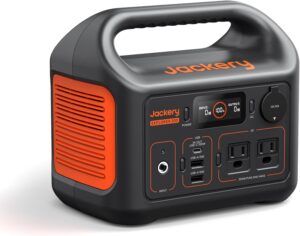
Jackery Portable Power Station Expl…
From the brand Essential HomePower 3600 Plus Prime Day #1 Best Seller New Product Launch Bestselling…
