

How to Prepare Your Home for Flooding
Flooding can arrive with little warning and leave long-term damage. Preparing your home ahead of time reduces risk, protects belongings, and speeds recovery. This guide covers practical, prioritized steps you can take now to make your home more flood-resilient.
Follow these strategies to protect entry points, secure utilities, manage water and power, and assemble the supplies that matter most. Each section focuses on clear actions you can complete in hours or days, not months.
Understand your flood risk
Begin by identifying whether your home sits in a floodplain, near rivers, or in a low-lying neighborhood. Check past flood records, local flood maps, and typical storm surge behavior for your area. Knowing likely water depth and flow speed helps prioritize actions: low standing water needs different mitigation than fast-moving currents.
Protect doors, windows and low openings
Entry points are the most common failure points during a flood. Install permanent or temporary barriers for garage doors, sliding doors and basement windows. For sudden events, sandbags and deployable shields provide quick protection—keep a supply on hand and know how to stack them properly.
For ready-to-use materials, consider stocking items from the site’s Sandbags and Flood Barriers category so you can block doors and direct water away from vulnerable openings.
Make a plan for utilities and appliances
Move valued electronics, important documents and small appliances to higher floors or elevated shelving. If you have a basement, relocate your washer, dryer, water heater and furnace if possible, or at minimum raise them on concrete blocks.
Prepare for power loss by protecting or elevating breaker panels and installing waterproof covers for exposed electricals. If you need temporary power during outages, a compact solution like a Jackery portable power station can run small pumps, lights, communication devices and medical equipment, reducing the pressure to use unsafe generators indoors.
Create barriers and channel water away
On properties at risk from rising water, install permanent grading, berms, or French drains to direct water away from foundations. For temporary defense when a storm is expected, high-quality sandbags remain effective. Use staggered rows, tamp sand tight, and lay plastic sheeting on the house side to reduce seepage.
For fast deployment, quality empty bags let you fill what you need right before a storm. Durable options such as the DURASACK Heavy Duty Sand Bags are built for repeated use and UV resistance, useful if your region sees multiple storms in a season.
Water and food: store smart and purify
Flooding often contaminates local water supplies and interrupts deliveries. Store an adequate water supply for at least 72 hours—ideally one gallon per person per day—and rotate it regularly. Durable, food-grade containers are easier to stack and secure in elevated spaces away from likely flood height.
A good household-sized option for short-term storage is the FastRack 6-gallon water jug, which is food-grade and sturdy for stacking in a safe location. Also include simple water purification tablets or a filter in your kit to treat water if your primary supply becomes contaminated.
Power, lighting and essential tools
Expect power outages during and after floods. Prioritize battery-powered lighting, a reliable radio, and charged power banks. Keep multiple light sources: headlamps, lanterns and handheld flashlights allow safe movement when floors are wet and hazards are harder to see.
Store tools for quick water management: a good pump, utility gloves, heavy-duty trash bags, a wet/dry vacuum if you have power, and basic hand tools. Keep extension cords, waterproof tarps and rope accessible. A fully charged portable power station can run pumps and charge phones during the critical first 24–72 hours.
Protect documents and valuables
Scan or photograph important documents—insurance policies, wills, property records—and store copies off-site or in cloud storage. For physical originals, use waterproof containers placed above expected flood levels. Small safes on upper floors or elevated shelving work well. For larger moves, rigid plastic Storage Bins protect papers, photos and small electronics from moisture and can be stacked tightly.
Plan evacuation routes and practice
Have both primary and alternate evacuation routes mapped for your household, and identify a meeting point outside the danger zone. Keep emergency kits by exits, and practice drills for different scenarios: rapid-onset flash flooding and slower river floods. Make sure family members understand how to shut off utilities and where to find your emergency supplies.
Stay informed during storms with a weather radio and local alerts so you can act on evacuation orders promptly.
Checklist: Essential items to have ready
- Sandbags or flood barriers and a plan for stacking
- Elevated storage for appliances and valuables
- At least 1 gallon of water per person per day (72 hours minimum) and water purification
- Nonperishable food for at least 72 hours and a manual can opener
- Multiple lighting sources (headlamps, lanterns, flashlights) and batteries
- Portable power station or power banks and charging cables
- Heavy-duty storage bins for documents and valuables
- Basic tools, pump or wet/dry vacuum, gloves, and tarps
- First aid kit and necessary medications
- Copies (digital and physical) of insurance, ID and important contacts
Frequently Asked Questions
Q: How much lead time do I need to protect my home?
A: For temporary defenses like sandbags, a few hours to a day is ideal. Permanent grading and flood-proofing take weeks to months—start as soon as possible if you live in a flood-prone area.
Q: Are sandbags reusable?
A: Many modern woven polypropylene bags are reusable if they remain intact and are stored dry between uses. Inspect for damage and replace as needed; properly filled and handled bags can serve several seasons.
Q: What water storage is best during flood season?
A: Use food-grade, sealable containers stored off the ground and above expected flood heights. Rigid jugs with screw caps are easy to handle and stack. Rotate stored water every 6–12 months or follow manufacturer guidance.
Q: Can I run a generator indoors during a flood?
A: No. Generators produce carbon monoxide and must be used outdoors, away from windows and vents. Consider a battery-based portable power station for safe indoor use.
Q: How do I dry out my home after floodwaters recede?
A: Prioritize safety—wait for official clearance. Remove standing water, dry structural materials quickly with fans and dehumidifiers, and discard porous items that cannot be fully cleaned. Photograph damage for insurance claims.
Conclusion
Preparing your home for flooding combines practical, low-cost actions and a few strategic purchases. Prioritize protecting entry points, elevating utilities, storing clean water and securing critical supplies. Build a short list of items and tasks you can complete this weekend—sandbags, elevated storage bins, a water jug and a charged portable power station will cover many immediate risks. Start now to reduce damage and speed recovery when floods occur.
If you need supplies, consider products that are durable and designed for emergency use so you can deploy them quickly when time is limited.
Products Featured in This Article
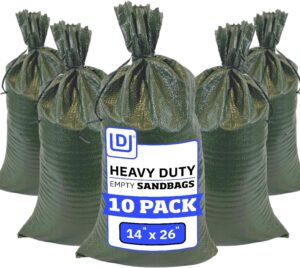
DURASACK Heavy Duty Sand Bags with …
DURASACK Sand and Utility Bags feature UV-treated 14 in. x 26 in. empty sand bags with…
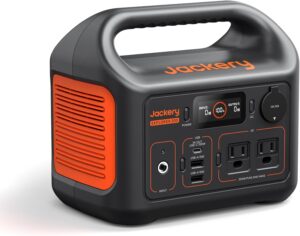
Jackery Portable Power Station Expl…
From the brand Essential HomePower 3600 Plus Prime Day #1 Best Seller New Product Launch Bestselling…
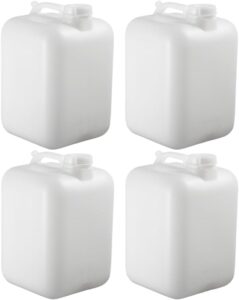
FastRack 6 Gallon Hedpak Water Jug …
FastRack 6 Gallon Hedpak with Cap | BPA-free, Food-Grade, and Leak-Proof | White Water Container |…
