

How to Prepare Pets for Emergencies and Storms
When storms, floods, or prolonged outages threaten your neighborhood, pets are vulnerable. Preparing ahead minimizes stress, speeds evacuation, and keeps your animals safe when minutes count.
This guide gives practical, step-by-step actions you can take at home—what to pack, where to shelter, and how to maintain food, water, and medical care for dogs, cats, birds, and small mammals during emergencies.
1. Start with a simple, location-based plan
Identify the most likely risks where you live (flooding, high winds, power outages). Map escape routes from your home and a rendezvous point if family members separate. Know local shelters and whether they accept pets—if not, list nearby pet-friendly hotels and friends who can help.
2. Microchips, tags, and evacuation routines
Microchip pets and keep registration current. Use a collar with an ID tag that includes a phone number. Practice short evacuation drills so your pet learns their carrier or leash is part of normal routine—this reduces panic if you must leave quickly.
3. Build a compact pet emergency kit
Pack an easy-to-carry kit for each animal that you can grab and go. Key items include carriers, sturdy leashes and harnesses, waste bags, a towel or small blanket, syringe for giving meds, and copies of vaccination and medical records.
Include a few practical tools for feeding: a manual can opener, durable bowls, and collapsible water containers. A reliable manual opener is essential if you rely on canned pet food during a crisis: Manual Can Openers.
4. Food and water: storage and rotation
Store at least three to seven days of food and water per pet. Use airtight, rodent-proof containers to protect dry food and keep it fresh. Consider portioning meals into single-serving bags so you can feed quickly under stress.
For storage, plastic or BPA-free airtight containers are the simplest way to prevent spills and pests, and they help you rotate stock regularly: Food Storage Containers.
5. Feeding during outages and travel
Power outages make meal prep harder. Have a small portable stove or grill and safe cookware to warm or prepare pet food if needed. Use propane or camping-style grills outdoors only and follow ventilation safety.
A compact solution for cooking and warming pet food during outages is a portable grill that’s easy to set up and safe when used correctly: Portable Grills.
6. Power outages: keep pets comfortable and devices charged
Long outages affect refrigeration for medicines and can mean no heating or cooling. Keep pets cool with shade, damp towels, and fresh water, or warm with blankets and insulated carriers. If you rely on powered medical devices (like refrigerated insulin), plan a battery or generator backup.
A compact, reliable power station can run small appliances, charge phones, and keep essential devices operational during blackouts: Jackery Portable Power Station Explorer 300.
7. Shelter at home and safe rooms
If you shelter in place, choose the most secure, interior room away from windows for severe weather. Keep carriers, leashes, and your pet kit in that room so your animals can be moved quickly. Familiar toys and bedding help reduce anxiety.
For tornadic activity or high-wind events, consider equipping your safe room with reinforced materials and pet-safe supplies. Browse supplies designed for severe wind and strike scenarios to make your safe space more secure: Tornado Safety Supplies.
8. Flooding: protect pets and property
If your area floods, move animals to higher ground or an upper floor. Never leave pets behind when evacuating. Secure food, water, and medicines in waterproof containers and carriers.
To protect entrances and reduce water intrusion, keep sandbags or barriers on hand so you can quickly block doorways and low windows: Sandbags and Flood Barriers.
9. Medical care and communication
Keep a current list of veterinarians, emergency clinics, and any required medication instructions. Store copies of vaccination records in a waterproof pouch and as a digital photo in multiple devices. Know basic first-aid for wounds, heatstroke, choking, and hypothermia, and include a small pet first-aid kit in your gear.
Quick checklist
- Microchip and ID tag with current contact info
- Pet emergency kit: carrier, leash, meds, records, towels
- 3–7 days of food and water per pet in airtight containers
- Manual can opener and portable cooking method
- Backup power for medicines and charging devices
- Designated safe room and evacuation route
- Plan for pets in shelters or temporary housing
FAQ
- How much water should I store per pet? Plan for at least 1 gallon per pet per day for drinking and basic hygiene for three to seven days.
- Can I bring my pet to public shelters? Some do not accept pets; call ahead or use pet-friendly shelters, hotels, or friends. Prepare a list of alternatives before a storm.
- What if my pet is anxious during storms? Use calming wraps, familiar toys, pheromone sprays, and practice crate training so carriers become safe spaces.
- How do I keep medication safe during a power outage? Store critical meds in insulated, cool containers and use a portable power source if refrigeration is needed.
- Should I evacuate animals before a forecasted storm? If evacuation is ordered or flooding is likely, evacuate animals early—traffic and shelter availability worsen as storms approach.
Conclusion
Preparedness for pets is about small, consistent steps: plan routes, pack a compact kit, store food and water properly, and line up power and shelter options. Practice your plan so when an emergency happens you move quickly and calmly—your pet’s safety depends on it.
Products Featured in This Article
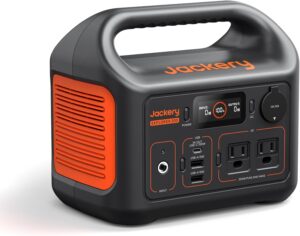
Jackery Portable Power Station Expl…
From the brand Essential HomePower 3600 Plus Prime Day #1 Best Seller New Product Launch Bestselling…

Airtight Food Storage Containers wi…
From the brand Vtopmart Organize Your Pantry With Style! Vtopmart is dedicated to creating a better…
