How to Make Your Home Safer During Bad Weather
Bad weather—storms, floods, high winds, winter freezes—can happen suddenly. A few proactive steps taken before a storm arrives reduce damage, keep your family safer, and make recovery faster.
This guide gives practical, prioritized actions you can take at home, plus a short supply checklist and FAQs so you’re ready whether the forecast calls for heavy rain, tornado warnings, or extended outages.
Assess risks and make a simple plan
Start by identifying the weather hazards common where you live: flooding, wind, ice, tornadoes, or wildfire risk. Map escape routes and a safe room (interior, windowless, on lowest level for tornadoes; upper level for wildfire avoidance). Agree on a meeting point and how you’ll communicate if cell service is limited. Keep important documents in a waterproof bag or a secure cloud copy.
Secure the exterior—roof, trees, and loose items
Inspect your roof for loose shingles and clear gutters and downspouts so heavy rain drains away from foundations. Trim dead branches within two tree-lengths of your house and chain or store patio furniture, grills, and toys that can become projectiles in high winds. Reinforce garage doors if you’re in a high-wind area; a compromised garage door can lead to structural failure.
Protect against flooding
If you’re in a flood-prone zone, prioritize elevating utilities (furnace, water heater, electrical panels) above expected flood levels when feasible. Seal gaps where water can enter—foundation vents, low windows, and basement utility lines. Consider investing in purpose-built barriers and pumps to protect vulnerable entry points; browse reliable options under Flood Protection Supplies.
Build physical barriers where appropriate
For quick, effective flood defense, sandbags and modular flood barriers are often the fastest solution to divert water away from doors and low windows. Have a supply on hand or pre-arranged access to them before a storm lands—this can save hours of frantic preparation when time is short. See sturdy options at Sandbags and Flood Barriers.
Plan for power outages and lighting
Extended outages are common after severe weather. Maintain charged power banks and a reliable backup battery or generator sized for your needs. A compact power station can keep phones, lights, and medical devices running without the fumes or noise of a gas generator—consider models like the Jackery Portable Power Station Explorer 300 for lightweight, plug-and-play backup.
Heating, fuel, and carbon monoxide safety
When mains power or gas is interrupted, people turn to alternate heating and cooking sources. Never use indoor-safe cookware or outdoor heaters inside living spaces unless they’re explicitly approved for indoor use. Install and test carbon monoxide alarms on each floor and outside sleeping areas; they’re essential if you’ll use portable heaters or a generator near the house. Browse reliable detectors at Carbon Monoxide Detectors.
Fire safety and smoke detection
Lightning strikes, candles, space heaters, and overloaded circuits are common fire sources during bad weather. Install and regularly test smoke alarms on every level and in sleeping areas. Replace batteries annually or opt for hardwired or long-life battery models for greater reliability. Find appropriate devices at Smoke Detectors.
Emergency cooking and food safety
If your stove goes out, plan safe alternatives for cooking. Portable grills and camping stoves allow you to prepare food outdoors—keep them operated well away from doors and vents to avoid carbon monoxide buildup. Stock simple, nonperishable meals and a manual can opener. Consider a safe outdoor cooking option like Portable Grills for reliable heat during outages.
Secure water, food, and basic sanitation
Store at least three days of water (1 gallon per person per day) and a multi-day food supply of easy-to-prepare items—ready-to-eat canned goods, freeze-dried meals, and bottled water work well. Keep supplies in waterproof, elevated storage if flooding is possible. Also keep household essentials—paper towels, toilet paper, and sanitation supplies—accessible and dry.
Communications, tools, and emergency lighting
Keep a battery-powered or hand-crank weather radio, spare batteries, flashlights, and headlamps in a central kit. Make sure everyone knows where the kit is and that flashlights are tested monthly. Keep chargers for phones and an external power bank fully charged when a storm is expected.
Checklist: quick actions before bad weather
- Move vehicles to high ground or under shelter.
- Secure or store loose outdoor items.
- Charge phones, power banks, and backup batteries.
- Fill water containers and top off fuel (if needed and safe).
- Place important documents in waterproof bags and gather emergency kits.
- Test smoke and carbon monoxide detectors and replace batteries if needed.
- Lay sandbags or temporary barriers if flooding is forecasted.
Conclusion — one practical takeaway
Make a short, written plan and assemble a compact emergency kit today—then prioritize three physical home protections based on local risks (e.g., tree trimming, flood barriers, backup power). Small preventive steps now are far easier than repairs afterward.
FAQ
-
How far in advance should I prepare?
Start basic prep—chargers, water, phone plan—48–72 hours before a forecasted event. For larger tasks (tree trimming, elevating equipment), plan seasonally before high-risk months.
-
Are sandbags effective for all homes?
Sandbags can reduce localized water entry but aren’t a guaranteed seal. Use them to divert flow from doors and low windows and combine them with other measures like sealing and pumps.
-
Can I use a portable grill indoors during a blackout?
No. Portable grills and outdoor stoves produce carbon monoxide; only use them outdoors and far from openings. For indoor cooking, use approved indoor-safe appliances or a power station to run small electric devices.
-
How often should I test detectors and alarms?
Test smoke and carbon monoxide detectors monthly and replace batteries annually or per manufacturer guidance. Replace units every 10 years for smoke alarms and according to CO detector lifespan recommendations.
-
What’s the best backup for short outages?
A portable power station (battery-based) is ideal for short outages—it’s quiet, safe indoors, and can charge phones, run lights, and power medical devices for several hours depending on capacity.
Products Featured in This Article
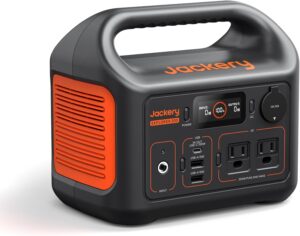
Jackery Portable Power Station Expl…
From the brand Essential HomePower 3600 Plus Prime Day #1 Best Seller New Product Launch Bestselling…
