

How to Create a Preparedness Routine for Your Home
Preparedness is not a one-time shopping list — it’s a routine you build into daily life so your household can respond calmly and efficiently when something unexpected happens. A good routine reduces decision fatigue, protects what matters, and keeps usable supplies fresh.
This guide lays out a practical, repeatable plan you can adopt in small steps. Each section focuses on one area: assessment, supplies, maintenance, power, weather response, and practice. Use it to develop a checklist that fits your home, schedule, and local risks.
Assess Your Risks and Needs
Start by identifying the hazards most likely to affect your household: power outages, storms, flooding, fire, or extended supply interruptions. Map critical items (medications, documents, pet needs) and identify vulnerable times (workdays, nights, vacations).
Keep assessment simple: a one-page list of top hazards and the two most important actions for each (evacuate, shelter in place, shut off utilities). That clarity sets the priorities your routine will support.
Design a Daily and Weekly Preparedness Routine
Turn preparedness into small habits. Daily: check that phones are charged, a designated emergency contact is reachable, and perishable food for outings is rotated. Weekly: inspect entry points for security and organize recent purchases into your storage system.
Use sturdy containers to keep one location organized and visible so items don’t get scattered across the house. If you’re building or refreshing a supply station, consider consolidating gear in labeled bins like these Storage Bins so everything is easy to find during stress.
Build a Practical Emergency Supply Station
Rather than hoarding, design a supply station for 72 hours that covers water, food, basic first aid, and small comforts. Store items so the rotation is part of normal life: use older freeze-dried or long-shelf items in meal plans before they expire and replace with fresh stock.
For food that stores well and is easy to prepare during outages, include a mix of shelf-stable meals and ready-to-eat options. Consider adding dependable packaged options such as Freeze Dried Meals to reduce meal-prep complexity when time and energy are limited.
Maintain Home Safety Devices and Checklists
Devices work only when maintained. Schedule quarterly checks: test smoke and CO detectors, replace batteries, inspect fire extinguishers, and confirm escape routes are clear. Keep a simple log (date, action, initials) attached to the device or in a household binder.
Smoke alarms save lives when functioning properly. Make testing and battery replacement part of your quarterly routine and upgrade older units when needed. If you don’t already have them or are checking placement, review and maintain your Smoke Detectors to ensure coverage on every floor and near sleeping areas.
Power, Lighting, and Cooking Backup
Power outages are one of the most common stressors. Build a layered plan: phone power banks for daily carry, battery lanterns and flashlights for short outages, and a small portable power station or generator for longer events.
For reliable backup power that can run essential devices and small appliances, include a compact unit that fits your typical outage needs. A portable power station provides outlets and charging ports for phones, lights, and small medical devices; consider adding a unit such as the Jackery Portable Power Station Explorer 300 into your routine checks (charge monthly and after major use).
Plan for Severe Weather and Short-Notice Events
Weather can require fast action. Keep a go-bag by the door and a car kit ready during high-risk seasons. Know evacuation routes and a meeting place outside your neighborhood. For households in storm-prone areas, identify supplies tailored to those events.
As part of seasonal prep, assemble or verify a dedicated kit for storms that includes water, communications, and weather-specific tools. A prebuilt option or checklist-driven kit like a Storm Safety Kits can save time and ensure nothing essential is overlooked.
Training, Drills, and Family Communication
Practice beats panic. Run a simple drill every six months: alarm sounds, everyone follows the escape plan, and the meeting place is checked. For children or older adults, run role-play scenarios so actions become muscle memory.
Also maintain a short, visible communication plan: emergency contacts, preferred meeting location, and instructions for neighbors or caregivers. Pair this with regular checks on security devices so communications are reliable; for example, confirm door and window alarms are functional and integrated into your response steps by including products like Door and Window Alarms in inspections.
Small Checklist
- Identify top 3 local risks and 2 primary actions for each.
- Organize emergency supplies into labeled storage bins and rotate monthly.
- Maintain detectors and safety gear on a quarterly schedule.
- Charge and test a portable power station monthly; keep small power banks charged.
- Run family drills every six months and review contact plans after each change.
FAQ
- How often should I check my emergency supplies?
Quick monthly visual checks and a full inventory rotation every six months keeps items usable and current. - What’s the minimum supply kit for a 72-hour emergency?
Water (1 gallon per person/day), three days of food, flashlight and batteries, first aid, basic hygiene, and copies of key documents. - How do I keep supplies accessible but out of the way?
Use labeled containers stored in a single, easy-to-reach location such as a closet near an exit; a checklist taped inside the door helps locate items quickly. - Who should be responsible for drills and maintenance?
Assign roles: one person manages supplies, another schedules device checks and drills. Rotate responsibilities annually to ensure broad familiarity. - How do I avoid overbuying or wasting food?
Adopt a “use and replace” policy: incorporate long-shelf foods into meal plans before their expiration and restock with like items so the kit stays fresh.
Conclusion
Creating a preparedness routine is about making small, repeatable actions that keep your home resilient. Start with a risk assessment, set short regular tasks (monthly checks, quarterly device maintenance, biannual drills), and centralize supplies for quick access. A routine that fits your schedule is far more effective than a one-time effort.
Practical takeaway: pick one day this week to assemble a visible emergency station in labeled Storage Bins, test your smoke detectors, and charge a portable power source. Those three steps move you from planning to preparedness.
Products Featured in This Article
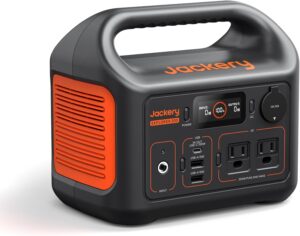
Jackery Portable Power Station Expl…
From the brand Essential HomePower 3600 Plus Prime Day #1 Best Seller New Product Launch Bestselling…
