
Emergency Lighting Tips for Power Outages and Storms
When storms strike and the power goes out, good lighting becomes the difference between manageable inconvenience and dangerous confusion. A reliable emergency lighting plan helps you move safely, tend to essentials, and keep stress low until electricity returns.
This guide gives practical, no-nonsense advice on choosing gear, organizing supplies, and staying safe during outages. Follow these steps to build a lighting setup that works for your home and family.
Assess Your Home’s Lighting Needs
Start by mapping the spaces you need lit during an outage: kitchen (for food and water), bathroom, hallways, stairs, main living area, and any safe room or interior bedroom where you’ll shelter. Note tasks you’ll perform—cooking, first aid, reading, monitoring weather alerts—and estimate how much light each requires.
Also consider how many people will need light at once and whether anyone has mobility or vision needs that require brighter or hands-free illumination. This assessment determines the mix of flashlights, lanterns, bulbs, and power you should stock.
Reliable Lighting Gear to Keep Ready
Flashlights are the backbone of emergency lighting: pick models with long runtimes, multiple brightness settings, and rechargeable options. Keep at least one powerful handheld flashlight per adult and one smaller one for the kids.
For dependable handheld options, consider rechargeable options like the TrixHub Rechargeable Flashlights 2-Pack, which offer high lumen output and multiple modes that extend runtime when you need it most.
Layer Lighting: Task, Area, and Ambient
Use a layered approach: task lights for work (reading, food prep), area lights for rooms, and low-level ambient lights for safe movement. Lanterns are excellent for area lighting because they cast 360-degree light and sit centrally on a table or floor.
A compact, multi-mode lantern is invaluable—store one per main room. The Collapsible Portable LED Camping Lantern (4-pack) is a practical choice: collapsible for storage, rechargeable, and waterproof, so it works indoors and outside during storms.
Hands-Free Options and Mobility
Hands-free lighting lets you carry items, climb stairs, or work on repairs safely. Headlamps and clip-on lights give directed light exactly where you look without tying up your hands.
Keep at least two headlamps in your kit and one in your car. A reliable model like the LHKNL Headlamp Flashlight offers multiple modes and waterproofing for storm conditions.
Backup Power: Batteries, Power Stations, and Banks
Lighting is only as good as its power source. Keep a mix of AA/AAA batteries for flashlights and battery-powered lanterns, plus higher-capacity solutions to recharge devices and run larger lamps.
For extended outages, portable power stations provide AC outlets, USB ports, and large battery reserves to run lights and charge devices. A compact, reliable model such as the Jackery Portable Power Station Explorer 300 can power multiple lights and charge phones for days depending on use.
Maintain, Test, and Rotate Supplies
Store lighting gear in a single, labeled container so you can grab it quickly. Test lights monthly: charge rechargeable units, run flashlights through each mode, and replace batteries that show poor performance. Keep spare bulbs and a small parts kit (extra O-rings, charging cables, bulbs) with your lighting supplies.
For keeping devices topped up on the go, include a high-capacity power bank such as the Portable Charger Power Bank, 60000mAh, which can recharge phones, headlamps, and even smaller USB lanterns multiple times during a prolonged outage.
Indoor Emergency Lighting Alternatives
Besides portable lamps, consider hardwired-socket-replacement emergency bulbs. Rechargeable LED bulbs that fit standard sockets turn existing fixtures into emergency lights without needing extra devices. They often provide several hours of light and switch on automatically when power is lost.
Socket-rechargeable bulbs like the Neporal A19 Rechargeable Light Bulbs are an efficient way to keep hallways and common areas illuminated without changing how you use switches during an emergency.
Safety Considerations: Fire, CO, and Outdoor Lighting
Never use open flames indoors for lighting (candles, gas stoves) unless you have proper ventilation and constant supervision. Even battery-powered lighting can introduce hazards if chargers overheat; use manufacturer-recommended chargers and keep devices on non-flammable surfaces while charging.
If you must use outdoor gas or charcoal for heat or cooking, keep those activities well ventilated and outside the living space. Monitor carbon monoxide risks—ensure detectors are functional and placed according to manufacturer instructions.
Storage and Organization Tips
Designate one accessible bin for emergency lighting and power: include flashlights, lanterns, headlamps, spare batteries, charging cables, a power bank, and a printed checklist. Place one smaller kit near the main exit and another in the bedroom. If you have an accessible garage or mudroom, keep a waterproof secondary kit there for storm cleanup and outdoor tasks.
- Bin with primary lighting gear (flashlights, lanterns, headlamps)
- Spare batteries (rotate annually) and extra bulbs
- Portable power bank and charging cables
- Small maintenance kit: bulb replacements, tape, zip ties
- Waterproof bag with small light and whistle for evacuations
Quick Checklist Before a Storm
- Charge all rechargeable flashlights, lanterns, power banks, and headlamps.
- Place lights and batteries in a single grab-and-go bin near an exit.
- Turn on socket-rechargeable bulbs to verify automatic function.
- Move lanterns to central locations; keep night lights on for children and elderly.
- Ensure CO and smoke detectors are working if you’ll use alternative heating or cooking methods.
FAQ
Q: How many flashlights do I need?
A: At minimum, one per adult plus one spare for the household. Add a few small lights for children and a headlamp for each adult.
Q: Should I use candles when the power is out?
A: Avoid candles indoors when possible. If you must use them, never leave them unattended, keep them away from flammable materials, and place them in sturdy holders on a non-flammable surface.
Q: How long should emergency lights run?
A: Aim for lights that run 6–12 hours on a single charge for primary use, and keep a portable power station or power bank to recharge devices for longer outages.
Q: Where should I place lanterns during an outage?
A: Put lanterns in central, elevated spots in each used room for even light distribution—tables, counters, or stair landings work well.
Q: How often should I test my emergency lighting?
A: Test monthly: charge devices, run through modes, and check batteries. Replace any failing components immediately.
Conclusion
Effective emergency lighting combines the right mix of flashlights, lanterns, headlamps, socket-backup bulbs, and reliable backup power. Assess needs, assemble a grab-and-go kit, test regularly, and prioritize hands-free and layered lighting for safety and comfort during outages. A few well-chosen items and regular maintenance will keep your household safe and functional when storms knock out power.
Products Featured in This Article

TrixHub Rechargeable Flashlights 2 …
Product description The video showcases the product in use.The video guides you through product setup.The video…

Collapsible Portable LED Camping La…
From the brand XTAUTO is professional in producing and selling LED lighting lamps. Since foundation up…

LHKNL Headlamp Flashlight, Lumen Ul…
From the brand Focus on headlamps Light up your life and adventure. How did we get…

Neporal A19 Rechargeable Light Bulb…
From the brand Neporal is established on 2019. We are a family run, family first business….
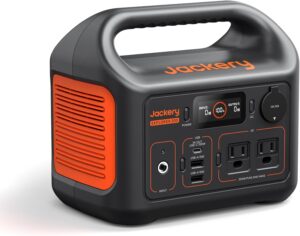
Jackery Portable Power Station Expl…
From the brand Essential HomePower 3600 Plus Prime Day #1 Best Seller New Product Launch Bestselling…
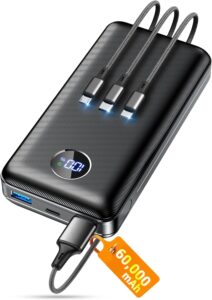
Portable Charger Power Bank, 60000m…
From the brand ZZI Huge Capacity 60000mAh Power Bank: ZZI portable charger features a new high-density…
