Emergency Cooking Tips When the Power Goes Out
When the power goes out, feeding your household becomes a top priority. With heat sources offline and refrigeration compromised, simple planning and the right tools can keep everyone fed, safe, and calm.
This guide gives clear, practical steps for cooking during outages: safe stove choices, fuel and ignition, food to rely on, power alternatives, and cleanup. Use the checklist and FAQ to prepare quickly and confidently.
Mindset and basic planning
First, adopt a conservative mindset: prioritize safety, conserve fuel, and minimize exposure to hazards like carbon monoxide or open flames indoors. Establish a central cooking area outside or in a well-ventilated spot away from doors, windows, and flammable materials. Keep children and pets removed from the cooking zone.
Choose the right portable stove
Portable cooking appliances make the difference between scrambling and having scheduled meals. For camping-style stovetops that work with small fuel canisters, consider portable camping stoves. They’re compact, reliable, and designed for outdoor use; pick one with a stable base and an easy-to-read regulator.
Butane and single-burner stoves: pros and cons
Butane stoves offer quick heat and precise simmering, great for boiling water or heating soups. If you plan to use them, keep spare cartridges and use them only outdoors or in a very well-ventilated area to avoid buildup of combustion gases. A quality butane stove is lightweight and often simple to operate.
Grills and open-flame options
Charcoal and gas grills provide a reliable cooking surface in an outage. If you use a grill, keep lighter fluid, a chimney starter, and a sturdy grate on hand. Portable propane or charcoal grills are ideal; consider keeping one listed in your gear as portable grills for easy storage and deployment.
Ignition and fire-building supplies
Having multiple ways to start a fire removes a common failure point. Pack waterproof matches, a butane lighter, and commercial fire starters to get coals or kindling going quickly. Store these items in a dry, clearly marked container so they’re easy to find in dim conditions.
Food that works when electricity fails
Design your emergency menu around foods that require minimal cooking or only reheating. Canned proteins, ready-to-eat meals, jerky, nut butters, instant oats, and shelf-stable dairy are excellent choices. Keep a manual tool kit handy—no one wants to wrestle with a tight pop-top—so include a reliable manual can openers in your kit.
Power alternatives for small appliances
If you want to run small electric appliances (12V cookers, immersion heaters, or a small induction plate), a high-quality power station is invaluable. A model like the Jackery Portable Power Station can run low-draw devices for several hours and can be recharged with a car or solar panel.
Food safety, refrigeration, and extended outages
Keep fridge and freezer doors closed as much as possible. A full freezer can keep temperatures for ~48 hours; a half-full freezer about 24 hours. Move highly perishable items into coolers with ice if you expect a prolonged outage. If refrigeration is lost for longer than safe windows, prioritize cooking or consuming perishable foods to avoid waste and foodborne illness.
Safe ventilation and carbon monoxide awareness
Never run fuel-burning devices inside an enclosed space. Always cook outdoors or in open, well-ventilated areas. If someone in your household experiences headache, dizziness, or nausea while using a stove or generator, get fresh air immediately and seek help. Ensure you have working carbon monoxide detection as part of overall safety planning.
Practical setup and cleanup
Set up a designated cooking station with heat-resistant surfaces, a windscreen or shelter, utensils, and a trash plan. Use dedicated cookware so you’re not improvising with unsafe containers. Keep a bucket of water or a fire extinguisher nearby while cooking, and have a plan to dispose of coals safely once they’re cold.
Essential checklist
- Portable stove or grill and extra fuel (camping stove, butane, or propane)
- Ignition kit: lighters, waterproof matches, fire starters
- Manual can opener and basic utensils (manual can openers counted above)
- Portable power station or chargers (portable power stations)
- Coolers, ice packs, and insulated storage
- Water for cooking and cleaning
- Fire extinguisher and first-aid kit
FAQ
Q: Can I cook indoors with a grill or camping stove?
A: No—open flames and combustion appliances produce carbon monoxide and other hazards. Only use grills or camping stoves outdoors or in extremely well-ventilated areas away from occupants and intake vents.
Q: How long will a portable camping stove run on one canister?
A: Run time depends on stove output and pot size; a small butane or isobutane canister typically provides 1–3 hours of simmering on low. Plan spare fuel based on your household needs.
Q: How can I keep food safe if my fridge is out?
A: Keep doors closed, move perishables to ice-filled coolers, and cook or consume the most perishable items first. Use a thermometer if available; discard food held above 40°F for more than two hours.
Q: Is it safe to use an electric kettle on a portable power station?
A: Only if the power station supports the kettle’s wattage. Many kettles draw high power; check the station’s output limits. Low-wattage immersion heaters and induction units designed for 12V or low-watt use are better matches.
Q: What’s the best way to heat water for sanitation?
A: Boil water outdoors on a stable stove or grill until it reaches a rolling boil for one minute (longer at high altitude). Use boiled water for dishwashing, bathing, or drinking if purification is in question.
Q: Should I store backup fuel in my home?
A: Store fuel in approved containers, in a cool, ventilated area away from living spaces and ignition sources. Follow local codes and manufacturer guidance for safe storage limits.
Conclusion
Power outages require clear choices: prioritize safety, pick reliable cooking equipment, stock ignition and manual tools, and plan menus that minimize risk. With a small kit—stove or grill, fuel, fire starters, a manual can opener, and a portable power station—you’ll be able to prepare safe meals and stay comfortable until power returns.
Products Featured in This Article
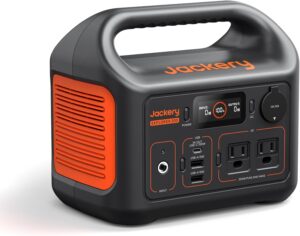
Jackery Portable Power Station Expl…
From the brand Essential HomePower 3600 Plus Prime Day #1 Best Seller New Product Launch Bestselling…
