
Beginner’s Guide to Home Preparedness
Getting your home ready for common emergencies doesn’t require expert skills or expensive gear. Small, intentional steps—right where you live—reduce risk, speed recovery, and give you clarity during stress.
This guide walks through practical priorities, simple supplies, and routines you can start today. For a curated selection of vetted products and categories to build your kit, see Prepared Home Daily.
Assess Your Risks
Begin by identifying hazards where you live: severe weather (hurricanes, floods, tornadoes), long power outages, fire, or supply interruptions. Check historical events, local alerts, and the layout of your home (basement, ground floor, steep driveway). List the most likely scenarios and prioritize plans that protect life, water, heat, food, and communication.
Build a Simple Emergency Kit
A basic kit covers 72 hours for each household member. Focus on items that provide immediate safety and comfort: water, food, light, first aid, and tools. Store kits in easy-to-grab containers and rotate consumables every 6–12 months.
- Backpack or tote for each person with essentials
- Copies of IDs and important phone numbers
- Flashlight and extra batteries
- Basic first-aid kit and medications
- Multi-tool and manual can opener
Water: Store and Purify
Water is the top priority. Aim for at least one gallon per person per day for three days. Use sturdy, food-grade containers and store them in a cool, dark place. For households that prefer reusable containers, consider products built specifically for storage, like the FastRack 6 Gallon Hedpak Water Jug, which simplify bulk storage and handling.
Food and Cooking
Plan non-perishable meals that require minimal preparation. Canned goods, ready-to-eat meals, and high-calorie snacks are practical. Include a manual can opener and think about backup cooking methods if the power goes out. Portable cooking devices designed for emergencies make a big difference—consider a compact option from the Portable Camping Stoves category for safe, off-grid meal prep.
Home Safety: Detection and Early Warning
Early detection turns many disasters into manageable events. Install and regularly test alarm devices: smoke and carbon monoxide detectors, plus battery backups if power is unreliable. Replace batteries annually and follow manufacturer lifespans. For straightforward, reliable options, browse the Smoke Detectors selection to ensure your home has proper coverage.
Fire Response: Tools and Escape Planning
Fires can escalate quickly. Equip your home with at least one extinguisher per level and near major fire risks (kitchen, garage). Learn the PASS technique (Pull, Aim, Squeeze, Sweep) and practice escape routes with your household. Keep ladders for upper floors and a clear path to exits. If you’re shopping for rated, easy-to-use units, compare items in the Fire Extinguishers category.
Flood and Storm Preparedness
If you live in a flood- or storm-prone area, take steps before an event: clear gutters, elevate utilities where possible, and move valuables above expected flood elevation. Keep emergency contact numbers and a plan for quick evacuation. For homes at high risk, physical barriers and drainage solutions reduce damage; review options in the Flood Protection Supplies category to see practical products you can deploy quickly.
Power and Communication
Plan for communications and limited power. Maintain charged power banks, battery-operated radios, and at least one way to recharge phones. Know how to shut off utilities if instructed. Keep a list of local emergency numbers and a printed contact sheet in your kit in case phones fail.
Practice and Maintain
Preparedness is not a one-time task. Schedule quarterly checks for kit contents, batteries, and food expiry dates. Run annual family drills—fire escape, shelter in place, and evacuation routes—and update plans when household composition or health needs change.
Quick Prepared Home Daily Checklist
- Water: 1 gallon/person/day × 3 days (or stored supply like the FastRack jug)
- Food: 3 days non-perishables + manual can opener
- Light and power: flashlights, extra batteries, power bank
- First aid kit and essential medications
- Smoke and CO detectors tested and on schedule
- Fire extinguisher accessible and inspected
- Evacuation and family communication plan rehearsed
- Storm/flood protections in place if applicable
FAQ
-
How much water should I store?
Aim for at least one gallon per person per day for three days for basic needs. Increase supplies if you have pets or live in hot climates.
-
What foods are best for an emergency kit?
Choose shelf-stable, high-calorie items that require little or no cooking: canned proteins, peanut butter, energy bars, and ready-to-eat meals. Rotate every 6–12 months.
-
Where should I place smoke detectors?
Install detectors inside each bedroom, outside sleeping areas, and on every level of the home, including basements. Test monthly and replace batteries yearly.
-
How do I prepare for flooding?
Move valuables to higher ground, secure loose outdoor items, and have quick-acting barriers or sandbags on hand. Know local evacuation routes.
-
What’s the simplest way to handle no-cook meals?
Stock ready-to-eat canned goods, protein bars, and MRE-style options. Use a portable stove outdoors if safe and permitted.
Conclusion
Start small: protect life first, then secure water, food, power, and communication. Use a short checklist to build and maintain a kit, practice plans with your household, and periodically update supplies. With a few practical steps taken now, you’ll be ready to act calmly and effectively when an emergency arrives.
Products Featured in This Article
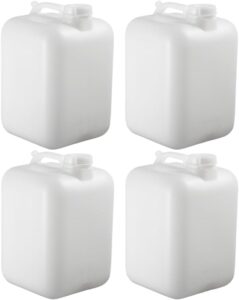
FastRack 6 Gallon Hedpak Water Jug …
FastRack 6 Gallon Hedpak with Cap | BPA-free, Food-Grade, and Leak-Proof | White Water Container |…
