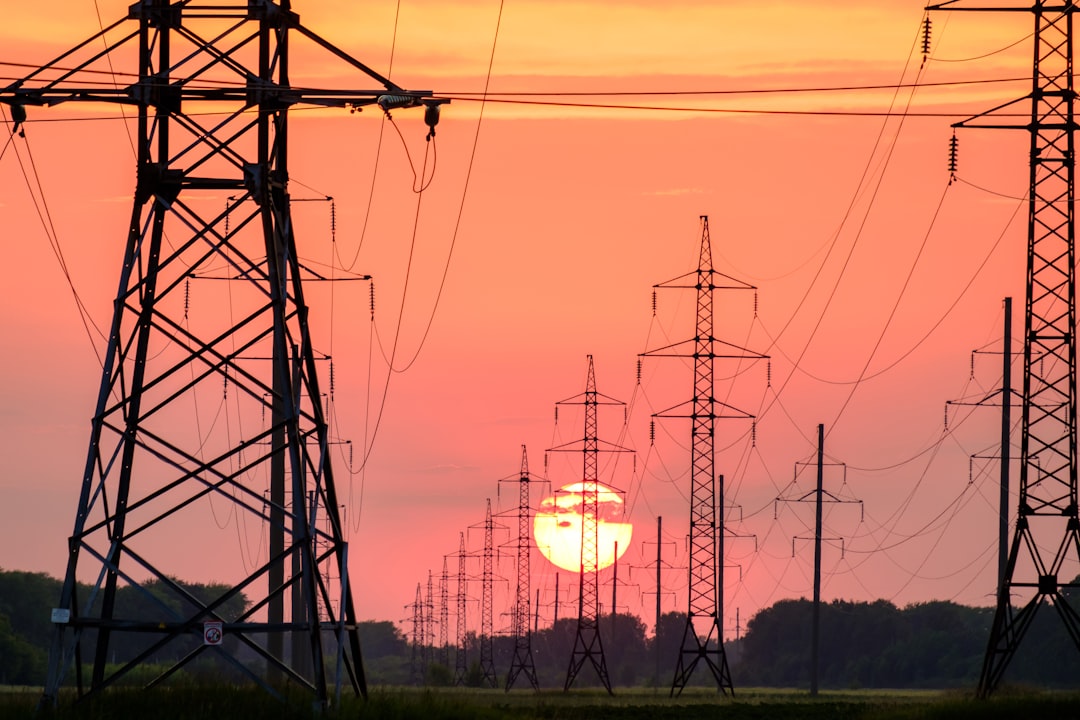
Power outages are inconvenient at best and dangerous at worst. When the grid goes down, keeping lines of communication open—phone, radio, and local alerts—lets you make safer choices, coordinate with family, and access information. A clear, realistic plan and a handful of reliable devices keep you connected without guessing.
This guide walks through practical strategies and gear to maintain communications during an outage: what to prioritize, how to manage limited power, and which products to consider for short and long interruptions. Use the steps below to build a simple, repeatable routine that fits your household.
1. Understand the kinds of connectivity you need
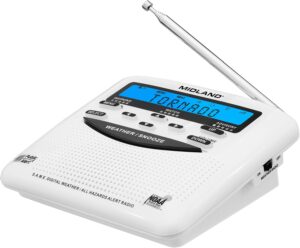
Before buying gear, list the communications you must maintain: voice/text with family, internet access for work or monitoring alerts, and local emergency broadcasts. For many households, a battery-powered NOAA weather radio is the single most reliable source of official alerts when cell networks are congested or down. Consider a dedicated unit designed for emergency broadcasting like the Midland WR120B NOAA Emergency Weather Radio to stay informed even when other systems fail.
2. Keep personal devices charged and ready
Phones and tablets are primary tools for communication and navigation. Maintain at least two portable power solutions: one small, everyday charger you carry or keep near exits and one high-capacity pack for longer outages. A slim, fast-charging bank like the VEGER 10,000mAh fast charger is useful for quick top-ups and travel, while larger capacity units can recharge multiple devices repeatedly.
3. Use a portable power station for extended outages
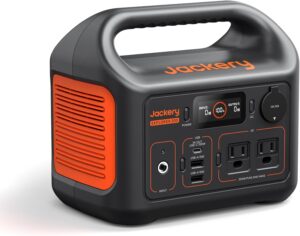
If outages last more than a day, a portable power station changes the game. These units provide AC outlets and multiple USB ports so you can power routers, laptops, and charge multiple phones without running a generator. For neighborhoods with frequent longer blackouts, a unit like the Jackery Explorer 300 gives enough capacity to run small electronics and charge devices for several cycles, while being safe and quiet indoors.
4. Add solar or fuel-free charging options
Fuel can be scarce or unsafe indoors; portable solar generators provide a clean way to recharge power stations and banks during multi-day outages. Look for foldable panels and a matching controller to recharge batteries efficiently. A compact option such as the 300W portable solar generator with foldable panel can sustain essential loads and keep communication gear running without gasoline.
5. Prioritize lighting and local comms at home
Reliable light and the ability to communicate with household members are low-tech but essential needs. Rechargeable, waterproof lanterns that can be charged by solar or USB provide bright area lighting and can double as device chargers in some models. The collapsible portable LED camping lantern is compact, versatile, and useful for lighting common areas while you troubleshoot phone and router power.
6. Work the power you have: conservation and load management
Even with backup power, energy is finite. Prioritize charging and powering devices in this order: emergency alerts (radio), family communication (phones), essential work devices (laptop/modem), and secondary items (lighting, entertainment). Turn off background apps, dim screens, and enable power-saver modes. If using a power station, calculate watts for each device to avoid overloading outlets and extend runtime.
7. Plan communications and redundancy
Technology fails. Have non-electronic backups and simple procedures: set a meeting place, assign who charges what, and maintain a written contact list with phone numbers and the physical address of family members. Consider a lightweight printed map of evacuation routes and a list of local shelters. For longer outages, stagger charging times so everyone gets a scheduled window to top up devices.
8. Test gear and create a ritual
Gear only helps if it works and is accessible. Test batteries, radios, and power stations every few months. Store chargers and cables in a known container, and practice a quick “outage drill” with your household to confirm who uses which device and where. Regular testing exposes weak batteries or missing cables before an emergency.
Quick checklist
- Primary emergency radio: Midland WR120B NOAA unit.
- Small fast charger for daily use: VEGER 10,000mAh.
- Higher-capacity backup: portable power station (e.g., Jackery Explorer 300).
- Solar or fuel-free recharging option: 300W portable solar generator.
- Reliable area lighting: collapsible USB/solar lanterns.
- Printed contact list, meeting plan, and device charging schedule.
- Monthly gear test and cable inventory.
FAQ
Q: How long will a power bank keep my phone charged?
A: It depends on the phone and the bank capacity. A 10,000mAh bank typically provides 1–3 full charges for most smartphones; higher-capacity stations provide many more cycles.
Q: Can I use a portable power station indoors?
A: Yes—most portable power stations are safe indoors because they don’t burn fuel. Follow manufacturer instructions and avoid using gasoline generators inside.
Q: Do solar panels work during cloudy days?
A: Solar panels still produce power in clouds but at reduced efficiency. Combining solar with battery storage ensures you have energy even when production dips.
Q: What’s the best way to get official emergency alerts without cell service?
A: A NOAA emergency weather radio is the most reliable option for localized official alerts when cell networks are unavailable.
Q: How often should I test my emergency equipment?
A: Test radios, batteries, and power stations every 2–3 months; check cables and accessories monthly. Replace or recharge batteries showing degraded performance.
Conclusion
Staying connected in a power outage is mostly about planning and prioritizing. Combine a reliable alert source, layered charging options (small banks, a power station, and solar), and simple household routines to preserve power and maintain communication. Test gear, keep cables organized, and stick to a charging schedule—those small habits will keep you connected when it matters most. For a curated place to start shopping and comparing emergency gear, visit Prepared Home Daily.
Products Featured in This Article
Midland – WR120B – NOAA…
From the brand Shop the Midland Brand Store NOAA Weather Scan & Alert – This emergency…

Collapsible Portable LED Camping La…
From the brand XTAUTO is professional in producing and selling LED lighting lamps. Since foundation up…
Jackery Portable Power Station Expl…
From the brand Essential HomePower 3600 Plus Prime Day #1 Best Seller New Product Launch Bestselling…
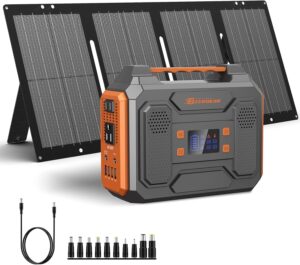
Portable Solar Generator, 300W Port…
From the brand ZeroKor Electronics Co., Ltd is a Portable Solar Power Station Manufacturer, Factory was…
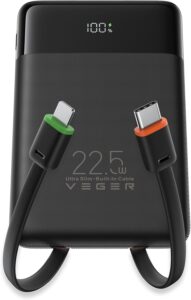
VEGER 22.5W Fast Charging Portable …
Product description 1 22.5W FAST Charging 2 Power 4 Devices at Once 3 3 Ways of…
