
Home Safety Checklist for Emergency Preparedness
Emergencies happen without warning. A compact, well-practiced plan and the right basic gear reduce panic, protect your household, and speed recovery. This checklist focuses on practical, high-impact actions you can take today to make your home safer for fires, floods, power outages, storms, and common household hazards.
Use the sections below to walk through your home, check items off, and prioritize improvements. Each section highlights simple maintenance tasks, essential gear, and quick, realistic habits that make a real difference in an emergency.
Fire safety essentials
Install smoke alarms on every level, outside sleeping areas, and inside bedrooms. Test alarms monthly, replace batteries when you change clocks, and replace units every 10 years or according to the manufacturer. For guidance and product options, consider certified models from Smoke Detectors.
Additional habits: keep cooking areas clear of flammable items, unplug space heaters when unattended, and create a habit of checking dryer vents and stovetops before bed. A smoke alarm is your first warning—get it working reliably.
Carbon monoxide and gas safety
Carbon monoxide (CO) is odorless and can accumulate from furnaces, water heaters, generators, and cars left running in attached garages. Install CO alarms on every level and near sleeping areas, test monthly, and follow replacement timelines. Find appropriate devices at Carbon Monoxide Detectors.
Maintenance: schedule annual HVAC inspections, ensure vents are clear, and never run a generator or gas grill indoors or in enclosed spaces.
Portable fire suppression
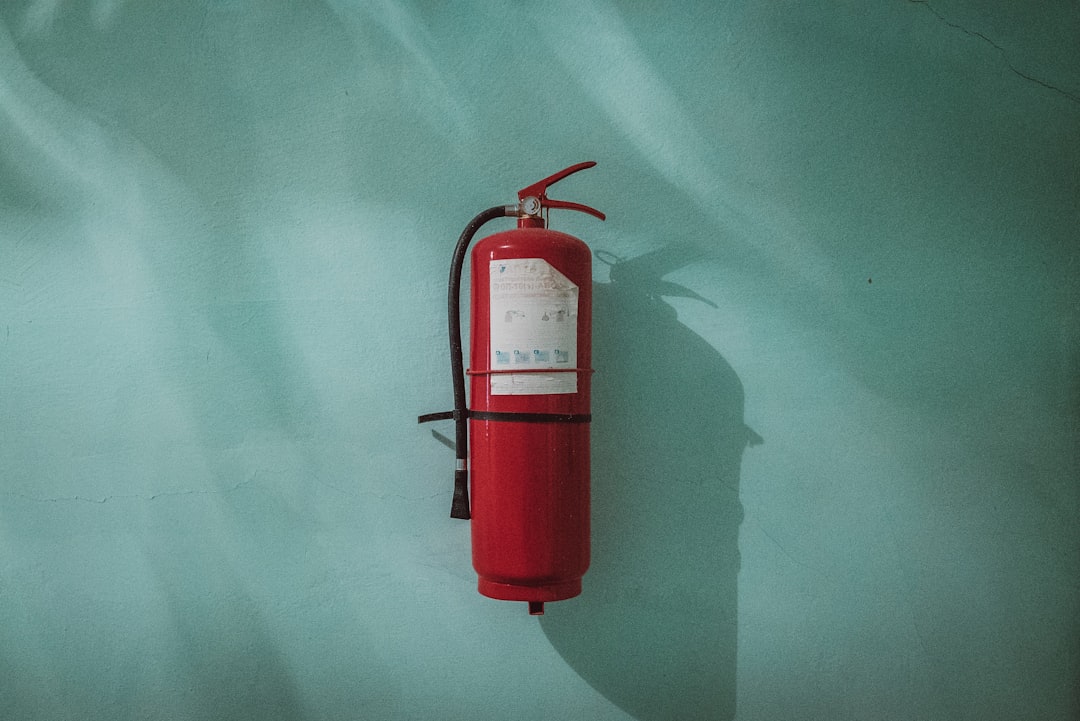
Keep at least one multi-purpose (ABC) fire extinguisher on each level—kitchen, garage, and near mechanical rooms are priorities. Learn PASS technique: Pull, Aim, Squeeze, Sweep. Store extinguishers where adults can access them quickly and check pressure gauges monthly. Shop reliable options at Fire Extinguishers.
Know when to evacuate: if a fire grows, if smoke becomes dense, or if you’re unsure you can control it safely, leave immediately and call emergency services from a safe location.
Escape routes and egress planning
Plan two escape paths from every bedroom and mark a primary meeting place outside. For multi-story homes, keep a collapsible ladder or escape device ready for upper-story exits; store it near the window and practice using it. If you need a reliable option, see Fire Escape Ladders.
Practice drills twice a year: simulate low-visibility exits, ensure children and visitors know the route, and test window latches and screens so exits open smoothly.
Power, communication, and alerts
Power outages complicate every emergency. Prioritize a simple communications plan: maintain charged portable batteries, solar chargers, and a dedicated emergency radio. A NOAA-capable weather radio keeps you informed when cell networks are congested—consider a reliable unit such as the Midland WR120B NOAA Emergency Weather Alert Radio.
Rotate power-bank batteries every 1–2 years, label cables, and assign one person to manage device power during an incident so at least one phone stays charged for alerts and calls.
Flood and storm preparedness
If you live in a flood- or storm-prone area, protect low-level entry points and prioritize items that keep water out of critical systems. Stock simple barriers, sealants, and elevation tools; you can find tailored options at Flood Protection Supplies.
Before a forecasted event: move valuables and electronics to high shelves, secure outdoor items, disconnect non-essential electrical devices, and follow local evacuation orders. Keep critical documents in a waterproof container or digitally backed up offsite.
Emergency supplies and household basics
Build a grab-and-go kit for at least 72 hours and a larger at-home cache for longer outages. Essentials include potable water (1 gallon per person per day), nonperishable food, manual can opener, basic tools, personal hygiene items, and sturdy storage containers. Rotate food and water periodically and keep a small notebook with key contacts and insurance info.
Include a well-stocked first aid kit and basic repair items (duct tape, tarps, rope). Keep flashlights, spare batteries, and a whistle for signaling. Store items in easy-to-carry containers and label them so anyone can find them in a stressful moment.
Home security and prevention
A secure home reduces risk from opportunistic crime during emergencies. Reinforce exterior lighting, trim sightline-blocking vegetation near windows and doors, and secure sliding doors with a bar or rod. Review door and window locks annually and practice locking/unlocking as part of your routine.
Consider adding inexpensive monitoring or deterrents to improve safety and situational awareness. Small investments and regular maintenance deter problems before they start.
Quick checklist
- Test smoke and CO alarms monthly; replace per manufacturer recommendations.
- Place an ABC fire extinguisher on every level and check pressure gauges.
- Map two escape routes from each room; store an escape ladder for upper floors.
- Assemble a 72-hour kit: water, food, flashlight, radio, batteries, first aid.
- Keep a NOAA weather radio or equivalent on hand and charged.
- Protect low-level doors and utilities if you live in flood-prone areas.
- Store important documents waterproofed and back up digitally.
- Practice emergency drills with household members twice a year.
Conclusion
Start small: pick one room this weekend and work through the relevant items above. Monthly testing, annual maintenance, and realistic drills turn gear into usable protection. The most prepared homes are those with a few reliable tools, clear plans, and practiced habits.
FAQ
- How often should I test alarms? Test smoke and CO alarms monthly and replace batteries per the device instructions; replace the units every 8–10 years or per manufacturer guidance.
- Which fire extinguisher type do I need? A multi-purpose ABC extinguisher covers ordinary combustibles, flammable liquids, and electrical fires—one on each level is a good baseline.
- How much water should I store? Store at least 1 gallon per person per day for a minimum of three days; extend that if you can afford more or have special needs.
- When should I evacuate during a flood or fire? Evacuate when local authorities order it, when escape routes are threatened, or when you see immediate danger like rapidly rising water or spreading fire.
- What’s the simplest step to improve home safety today? Test and replace batteries in all alarms, locate your fire extinguisher, and assemble a basic 72-hour kit—those three actions yield high returns quickly.
Products Featured in This Article
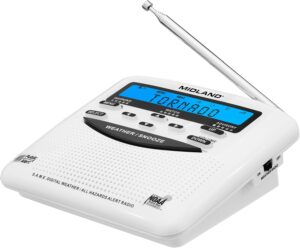
Midland – WR120B – NOAA…
From the brand Shop the Midland Brand Store NOAA Weather Scan & Alert – This emergency…
